legs workout for beginners
Legs Workout for Beginners: A Simple Plan for Stronger Quads, Glutes, and Hamstrings
A beginner legs workout should be simple, repeatable, and easy to progress. Learn the best exercises, form cues, and weekly volume to build stronger quads, glutes, and hamstrings without overcomplicating your training.
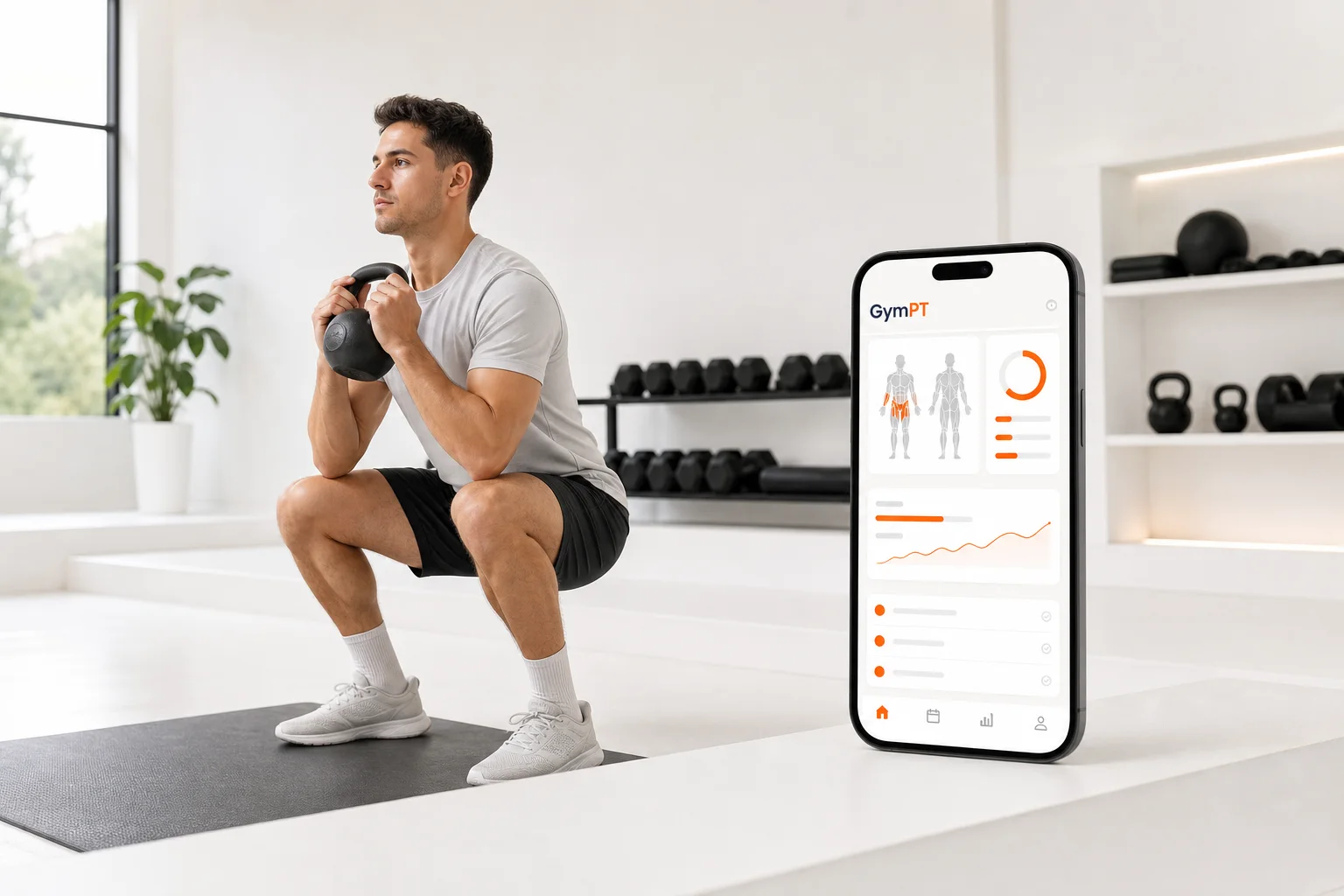
Legs Workout for Beginners: Start Simple, Train Smart
If you are looking for a legs workout for beginners, the best plan is not the hardest plan. It is the one you can repeat with good form, recover from, and gradually improve. Beginner leg training should build the main lower-body patterns: squatting, hinging, stepping, and calf work. That gives you a balanced base for stronger quads, glutes, hamstrings, and better overall movement.
For general strength training, reputable health guidance recommends working major muscle groups at least twice per week, using controlled reps and gradually building volume over time. A practical beginner target is 2 to 3 sets of 8 to 12 reps for most exercises, stopping with a few reps left in the tank so your form stays clean.
What a beginner leg day should train
A good beginner leg session does not need ten exercises. It should cover these movement patterns:
- Knee-dominant squat pattern for quads and glutes.
- Hip hinge pattern for hamstrings and glutes.
- Single-leg pattern for balance, stability, and side-to-side control.
- Calf work for lower-leg strength and ankle support.
This approach is easier to learn than chasing random exercises, and it helps you progress faster because each workout has a clear purpose.
The best beginner leg exercises
Below is a simple gym-friendly routine that works well for most beginners. If you train at home or have limited equipment, you can still adapt it with bodyweight, dumbbells, or machines.
1. Goblet squat or bodyweight squat
The squat is the foundation of many beginner leg programs. It trains the quads, glutes, and core while teaching you how to control your body through a full lower-body range.
- How to do it: Stand with feet about shoulder-width apart, brace your core, sit your hips back and down, then stand up by pushing through the floor.
- Form cue: Keep your chest tall and your knees tracking in line with your toes.
- Beginner tip: Use a box, bench, or a reduced depth if full squats feel unstable.
2. Romanian deadlift with dumbbells
This is one of the best beginner hinge exercises because it teaches you how to load the hamstrings and glutes without needing heavy weight.
- How to do it: Hold dumbbells in front of your thighs, soften your knees, push your hips back, lower the weights along your legs, then stand by driving your hips forward.
- Form cue: Your back should stay long and neutral; the movement comes from the hips, not the lower back.
- Beginner tip: Stop the descent when you feel a strong hamstring stretch and can still keep control.
3. Reverse lunge
Reverse lunges are often easier for beginners than forward lunges because they usually feel more stable and put less stress on balance.
- How to do it: Step one leg back, lower until both knees are bent, then drive through the front foot to return to standing.
- Form cue: Keep most of your weight on the front leg and avoid collapsing the front knee inward.
- Beginner tip: Hold onto a rack or wall lightly if balance is the limiting factor.
4. Leg press
If you train in a gym, the leg press is a useful beginner option because it gives you a stable path and makes it easier to focus on leg effort instead of balance.
- How to do it: Place your feet shoulder-width apart on the platform, lower the sled with control, then press back up without locking out aggressively.
- Form cue: Keep your lower back and hips in contact with the pad.
- Beginner tip: Use a moderate range of motion before chasing deeper depth.
5. Standing calf raise
Calves are easy to skip, but they matter for ankle strength, walking mechanics, and lower-leg balance.
- How to do it: Rise onto the balls of your feet, pause briefly at the top, then lower slowly.
- Form cue: Use a full stretch at the bottom and avoid bouncing.
- Beginner tip: Do these at the end of the workout when your bigger lifts are done.
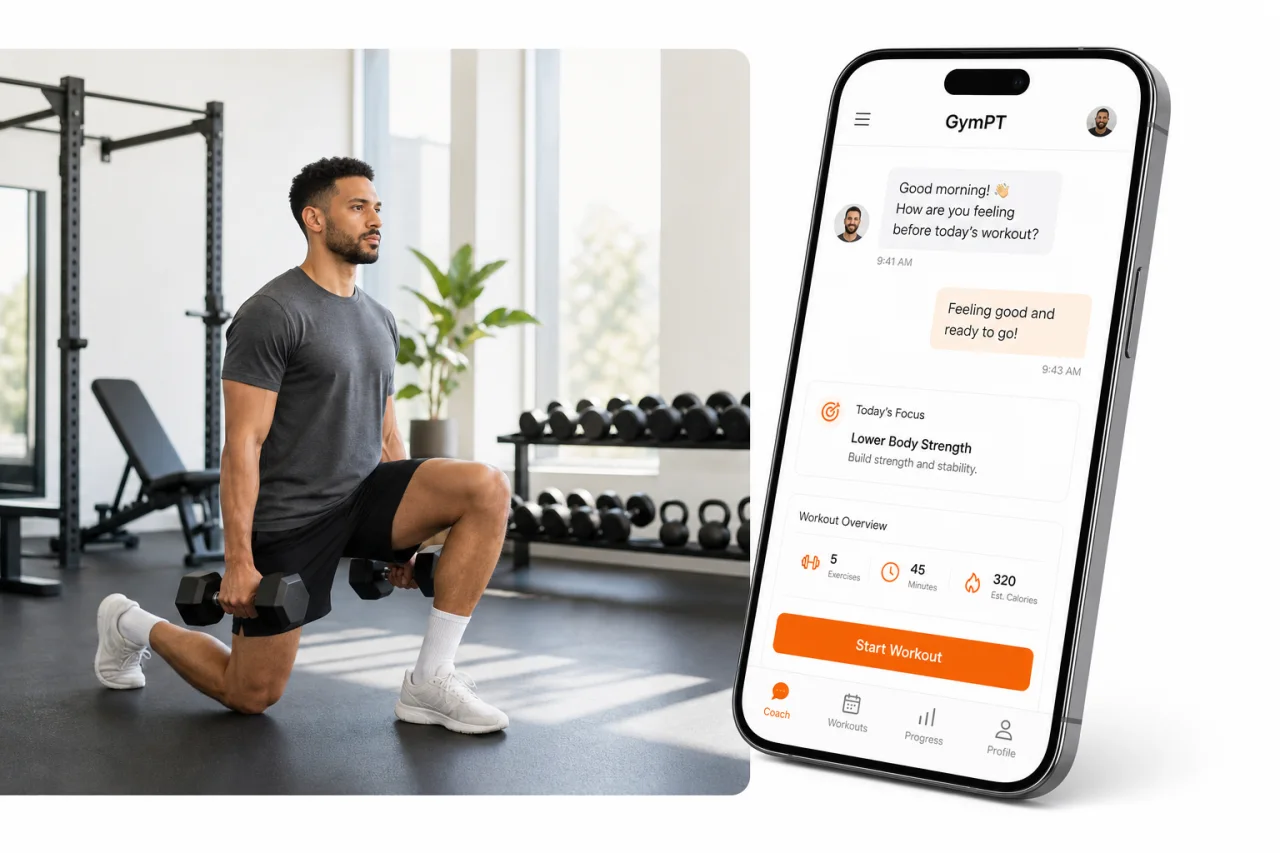
A simple beginner legs workout you can follow
Use this as a starting point for 6 to 8 weeks. Keep the weights light enough that you can move well, then add reps or load gradually.
- Goblet squat — 2 to 3 sets of 8 to 10 reps
- Dumbbell Romanian deadlift — 2 to 3 sets of 8 to 12 reps
- Reverse lunge — 2 sets of 8 reps per leg
- Leg press — 2 sets of 10 to 12 reps
- Standing calf raise — 2 to 3 sets of 12 to 15 reps
Rest about 60 to 90 seconds between sets. If your breathing is still very elevated or your form is slipping, rest a little longer. For beginners, quality reps matter more than rushing through the session.
How hard should beginner leg training feel?
Most beginners do best when they finish a set with about 2 to 4 reps left in reserve. That means the set feels challenging, but not like a max effort grind. This is a smart way to build strength and confidence while reducing form breakdown.
If you are brand new, start with the lower end of the volume range: 2 sets per exercise, 1 to 2 leg sessions per week. Once recovery feels easy and your technique is consistent, you can move toward 3 sets on the main lifts. Public health guidance supports training major muscle groups at least 2 days per week, and beginner programs often work best when they are simple enough to repeat consistently.
Common beginner mistakes on leg day
- Going too heavy too soon: This usually turns squats and lunges into balance drills instead of strength work.
- Cutting the range of motion too early: Use a comfortable depth first, then improve it gradually.
- Letting the knees cave inward: Keep the knees tracking in line with the toes.
- Rushing the lowering phase: A controlled descent helps you stay stable and feel the target muscles.
- Skipping the hinge: Squats alone are not enough; hamstrings need direct work too.
Beginner-friendly alternatives if the standard version feels too hard
You do not need to force the hardest version of every exercise. Use the easiest version that still challenges you with good form.
- Squat too hard? Try box squats, sit-to-stand reps, or a machine hack squat.
- Lunges feel unstable? Try split squats with a support point or step-ups.
- RDL feels awkward? Try a dumbbell hip hinge with a shorter range of motion.
- Leg press feels cramped? Adjust foot placement and reduce depth until your hips stay stable.
That is where GymPT can help: it can match your plan to the equipment you actually have, adjust exercise choices, and keep your progression realistic from week to week.
How to progress without guessing
Progress should be small and measurable. A simple method is to keep the same weight until you can hit the top of your rep range with clean form, then increase the load slightly. Another option is to add one rep per set each week until you reach the top of the range.
Track three things after each workout:
- Load: how much weight you used.
- Reps: how many clean reps you completed.
- Effort: how hard the set felt.
That is the difference between “doing leg day” and actually building a stronger lower body.
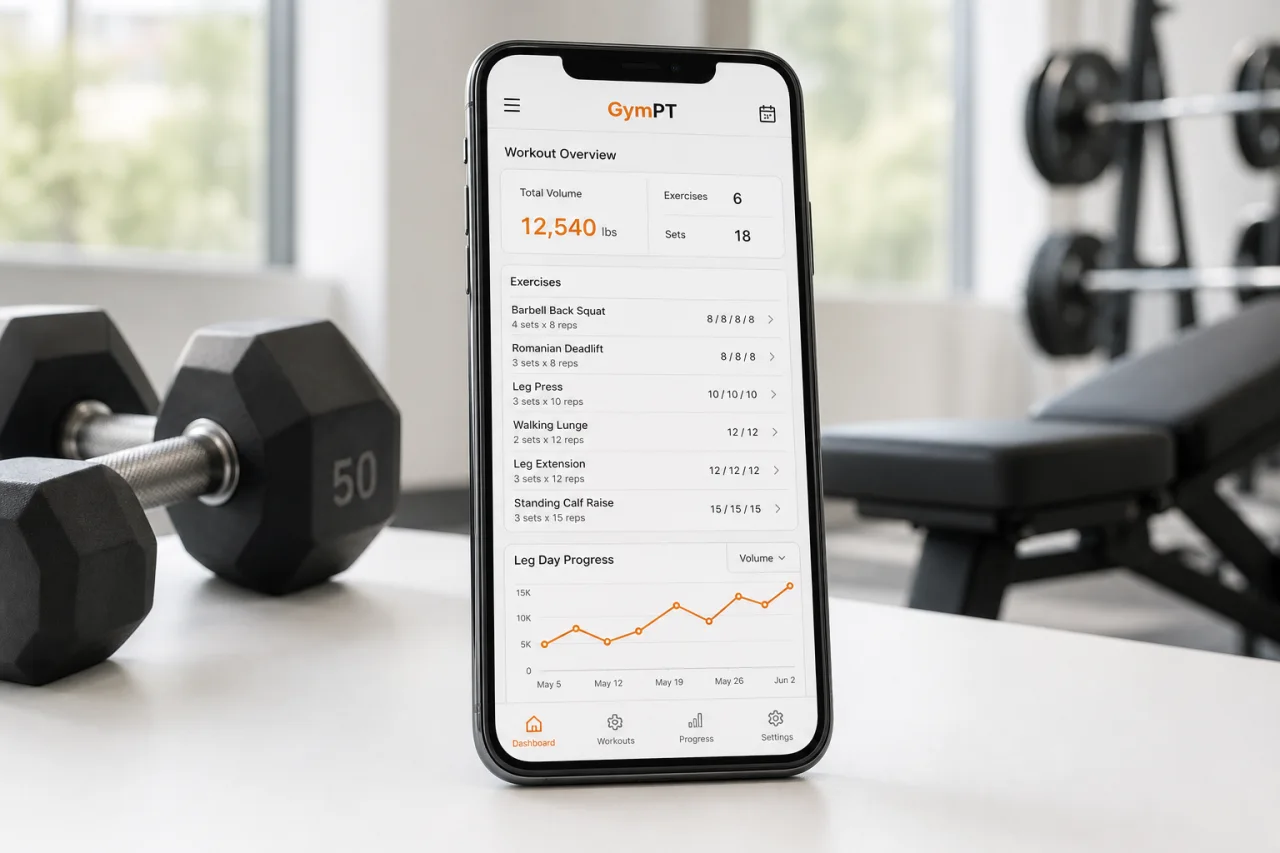
How GymPT can make beginner leg training easier
GymPT is useful when you want structure without overthinking. You can build a personalized lower-body plan, chat with the AI coach for form and progression guidance, log your workouts, and review progress insights over time. If you are unsure whether to use dumbbells, machines, or bodyweight, GymPT can help you choose the version that fits your current level and equipment.
Final takeaway
A beginner leg workout should be simple, repeatable, and focused on the basics: squat, hinge, lunge, and calf work. Start with moderate volume, use controlled reps, and progress slowly. If you can keep your form consistent and train legs twice per week, you are already doing more than enough to build a strong foundation.
Ready to make it easier to stay consistent? Use GymPT to build your next leg day, track your reps, and progress with a plan that adapts to you.