dumbbell exercises for beginners
Dumbbell Exercises for Beginners: Build a Simple Full-Body Plan
New to dumbbells? Learn the best beginner exercises, how many sets and reps to use, and how to build a simple full-body plan around the equipment you have.
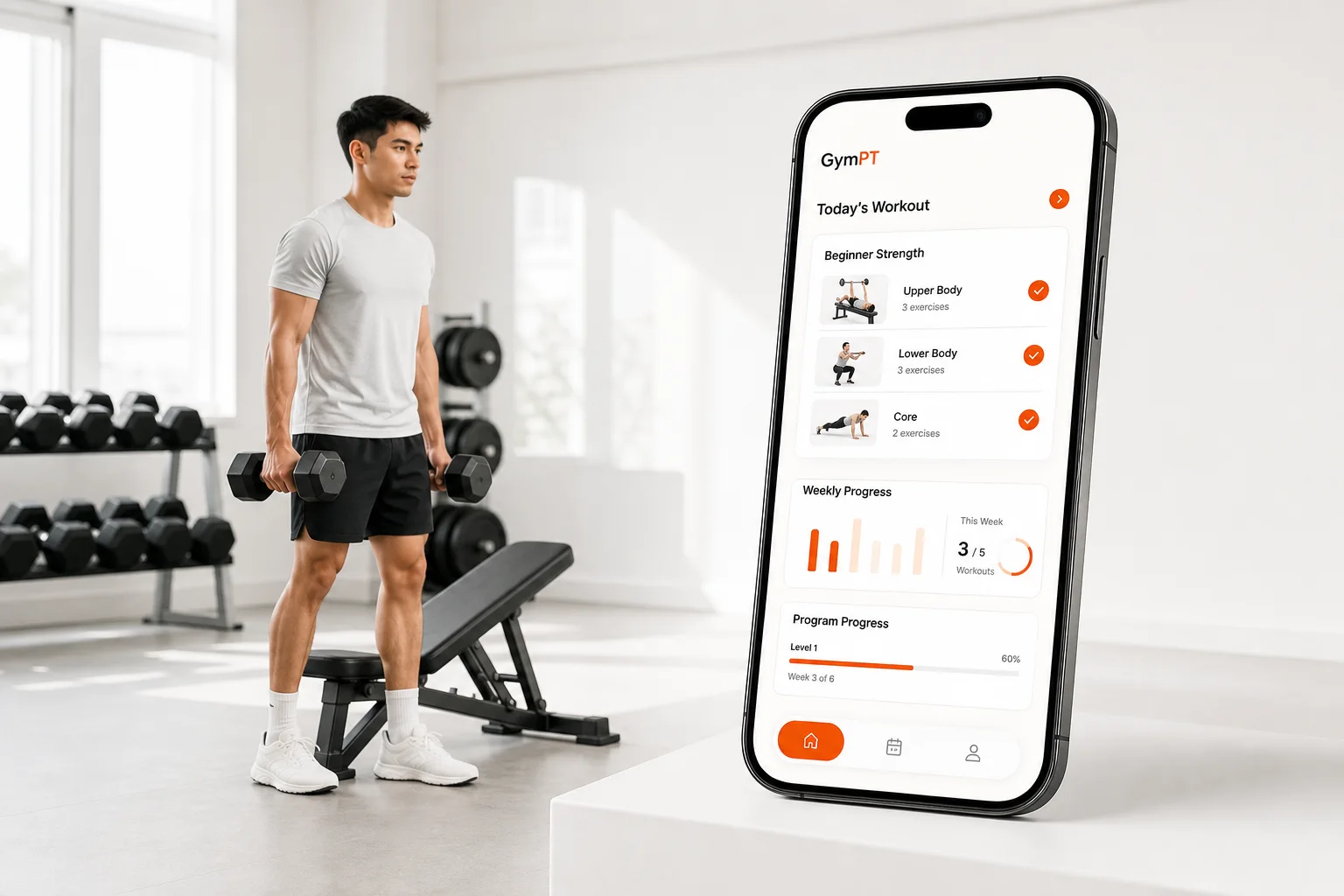
Dumbbell Exercises for Beginners: Start Simple, Train Smart
If you are looking for dumbbell exercises for beginners, the best place to start is not with the hardest move you can find. It is with a small set of reliable exercises that train your whole body, fit the dumbbells you actually have, and let you improve week by week. That is the fastest way to build confidence, strength, and consistency.
For most beginners, dumbbells are a great choice because they are versatile, easy to scale, and useful for both home and gym training. Public health guidance recommends regular muscle-strengthening work at least two days per week, and beginner strength training works best when it covers all major muscle groups instead of chasing random exercises. 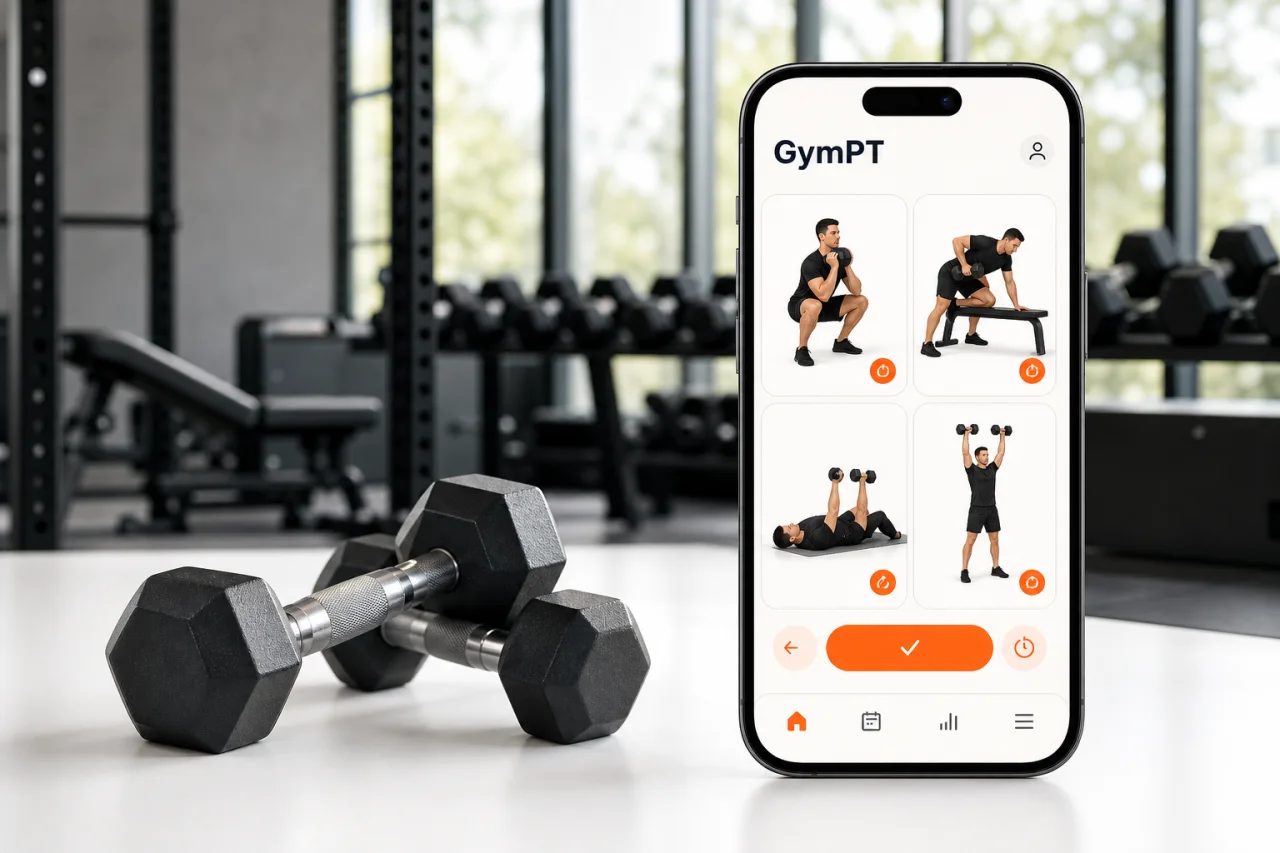
What makes a dumbbell exercise beginner-friendly?
A good beginner exercise should be easy to learn, stable to perform, and simple to progress. In practice, that means:
- Clear setup: you can get into position without awkward balancing.
- Controlled range of motion: you can move through the rep without rushing.
- Easy load selection: the weight is light enough to learn, but challenging enough to feel work.
- Low skill cost: you do not need advanced coordination to get a useful training effect.
That is why beginner plans usually start with presses, rows, squats, hinges, carries, and a few simple arm and core movements. These cover the major movement patterns your body needs for everyday strength.
The best dumbbell exercises for beginners
If you only want a few exercises to build around, start here. These are practical, scalable, and easy to organize into a full-body routine.
1. Goblet squat
Hold one dumbbell close to your chest and squat down with control. This is one of the easiest ways to learn a squat pattern because the front-loaded position helps you stay upright.
2. Dumbbell Romanian deadlift
Hold a dumbbell in each hand, soften your knees, and push your hips back while keeping your back neutral. This teaches the hip hinge and trains the glutes and hamstrings.
3. Dumbbell floor press
Lie on the floor and press the dumbbells from chest level. The floor limits range of motion, which makes this a beginner-friendly pressing option and often easier to control than a full bench press.
4. One-arm dumbbell row
Support one hand on a bench or sturdy surface and row the dumbbell toward your hip. This is a simple way to train the back and balance out pressing work.
5. Dumbbell overhead press
Press the dumbbells from shoulder height to overhead. Start light and keep your ribs down so the movement stays controlled.
6. Reverse lunge
Step one leg back and lower under control. Reverse lunges are often easier for beginners than forward lunges because they are usually more stable.
7. Dumbbell curl
A simple arm exercise that helps beginners practice control and learn how to move with intention.
8. Overhead triceps extension
Use one dumbbell or two light dumbbells to train the triceps with a straightforward isolation movement.
You do not need all eight exercises in one workout. In fact, beginners usually do better with fewer exercises done well. 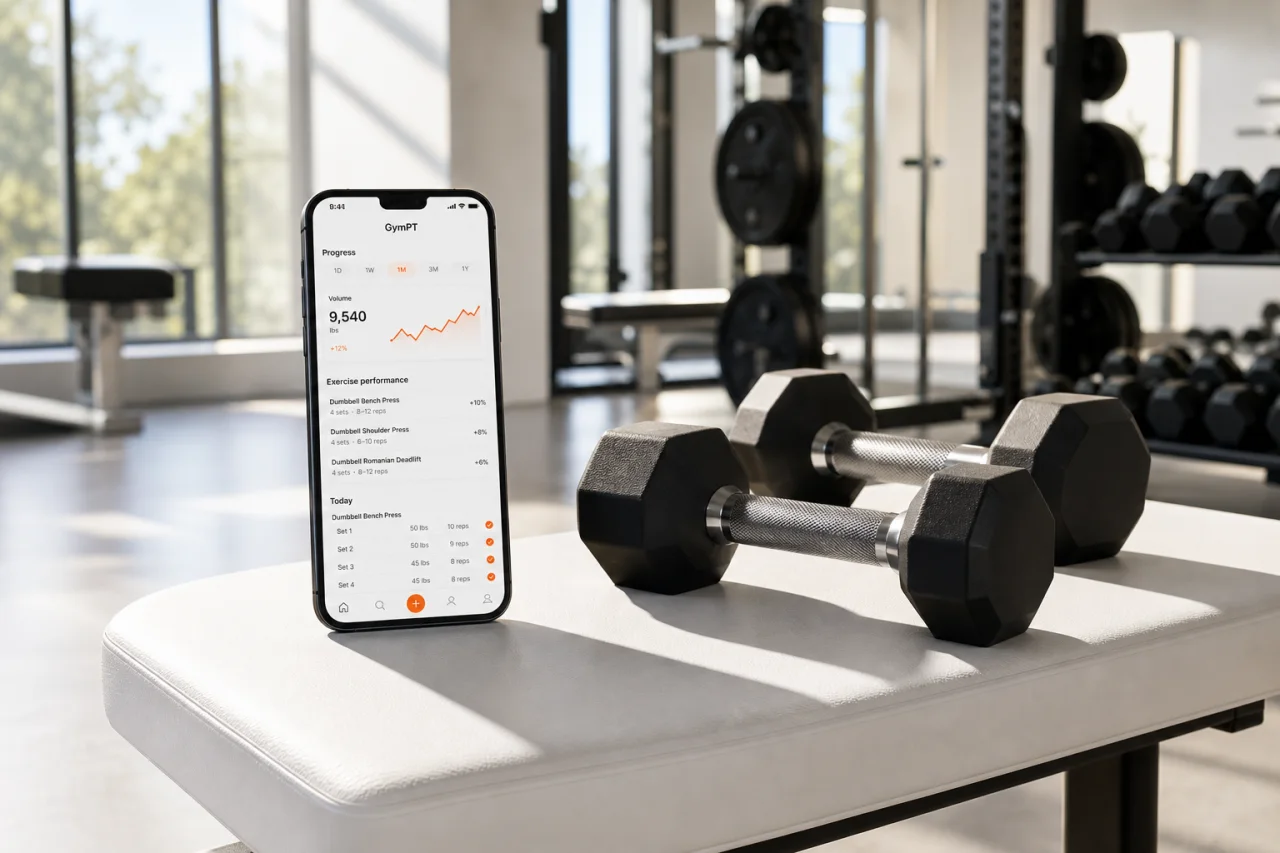
How to build a beginner dumbbell workout
A simple full-body plan is usually the best starting point. It gives you enough practice to improve without making each session too long or too complicated.
Option 1: 3-day full-body dumbbell routine
- Goblet squat — 2 to 3 sets of 8 to 12 reps
- Dumbbell Romanian deadlift — 2 to 3 sets of 8 to 12 reps
- Dumbbell floor press — 2 to 3 sets of 8 to 12 reps
- One-arm dumbbell row — 2 to 3 sets of 8 to 12 reps per side
- Overhead press — 2 sets of 8 to 10 reps
- Curl or triceps extension — 1 to 2 sets of 10 to 15 reps
Train this plan on non-consecutive days, such as Monday, Wednesday, and Friday. That spacing helps you recover and keeps the routine sustainable.
Option 2: 2-day dumbbell plan for true beginners
If you are brand new, start with two sessions per week. Use the same exercise list, but keep the total volume lower. This is often enough to build a habit and learn technique before you add more work.
For most beginners, the goal is not to leave the gym exhausted. The goal is to finish with good form, a clear sense of what you trained, and enough energy to come back next time.
How heavy should your dumbbells be?
The right dumbbell is the one that lets you complete your target reps with good form while still feeling challenging near the end of the set. If you can breeze through every rep, the weight is probably too light. If your form breaks down on the first few reps, it is too heavy.
A practical rule: choose a weight that leaves you with about 2 to 3 good reps in reserve on most sets. That gives beginners enough challenge without forcing sloppy technique.
- For squats and hinges: you may be able to use heavier dumbbells sooner.
- For presses and rows: start moderate and focus on control.
- For curls and triceps work: lighter weights are often enough at first.
If you are unsure, start lighter than you think. You can always add weight later. You cannot fix rushed reps with heavier dumbbells.
How to progress without guessing
Progression should be simple. Pick one variable to improve at a time:
- Add reps: move from 8 to 10, then 12.
- Add a set: go from 2 sets to 3.
- Add weight: once you can hit the top of your rep range with clean form.
- Slow the tempo: lower the dumbbell more deliberately if the weight jumps are too large.
This is where tracking matters. If you do not record your workouts, it is hard to know whether you are actually progressing or just repeating the same session. GymPT helps by logging workouts, showing trends, and suggesting the next step based on your recent performance.
Common beginner mistakes to avoid
- Using too many exercises: more is not better if your form gets worse.
- Choosing weights that are too heavy: this usually turns every rep into a struggle and limits learning.
- Skipping pulling movements: rows matter as much as presses.
- Training randomly: a repeatable plan beats a different workout every time.
- Ignoring recovery: beginners often improve faster with consistent, moderate training than with all-out sessions.
If a movement feels awkward, simplify it. For example, use a floor press instead of a more unstable press, or use a supported row instead of a bent-over row if your lower back gets tired too quickly.
How GymPT helps you adapt the plan to your equipment
One of the biggest beginner problems is not motivation. It is mismatch. You open a workout plan, but the exercises do not fit the dumbbells, bench, or space you actually have. GymPT solves that by building around your available equipment and adjusting the plan when your setup changes.
That means you can ask GymPT to create a dumbbell-only routine, a home workout with limited space, or a gym plan that uses dumbbells plus a bench. You can also use AI coach chat to ask questions like:
- Which dumbbell exercises should I start with?
- What should I do if my weights are too light?
- How do I swap a movement if I do not have a bench?
- How many sets should I do this week?
GymPT also makes it easier to stay consistent by combining workout tracking, progress insights, and body analysis in one place. That way, your plan can change as your strength changes.
A simple beginner rule set you can follow today
- Pick 5 to 6 dumbbell exercises that cover squat, hinge, push, pull, and core or arms.
- Train 2 to 3 times per week.
- Use 2 to 3 sets per exercise.
- Stay in a moderate rep range, usually 8 to 12 reps for most moves.
- Stop a set when form starts to break down.
- Log the workout so you know what to improve next time.
If you follow that structure, you do not need a perfect program to make progress. You need a repeatable one.
Conclusion
The best dumbbell exercises for beginners are the ones you can perform safely, repeat consistently, and progress over time. Start with a few core movements, keep the plan simple, and build from there. If you want a smarter way to match exercises to your equipment and track your progress automatically, GymPT can turn that first dumbbell session into a real training plan.