best biceps exercises
Best Biceps Exercises: A Coach’s Guide to Better Curls, Better Form, Better Growth
A practical guide to the best biceps exercises, with form cues, volume tips, and beginner-friendly swaps so you can train arms with more control and better results.
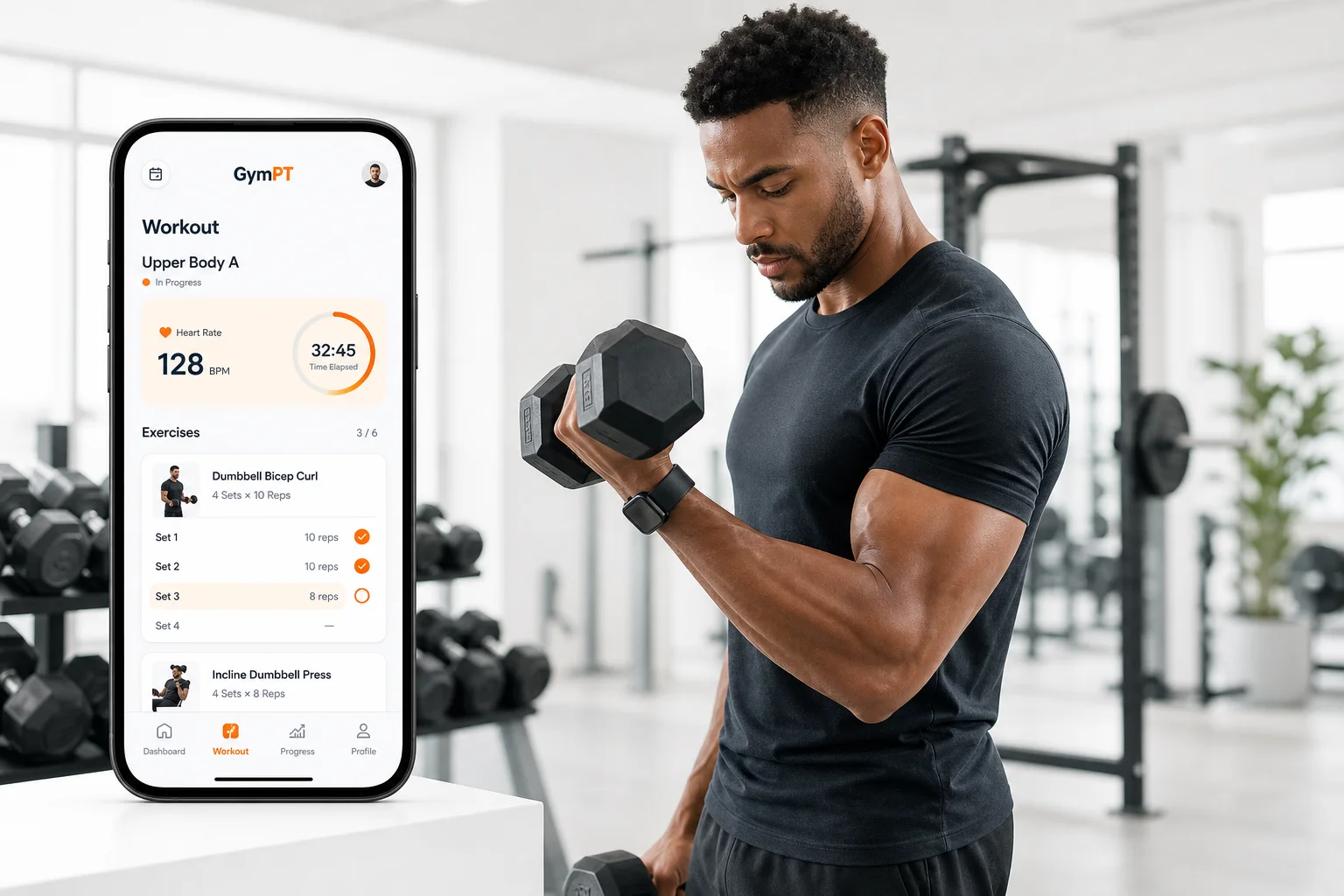
Best biceps exercises: what actually deserves a place in your arm day
If you want the best biceps exercises, start with a simple idea: the best movement is the one that lets you flex the elbow hard, control the lowering phase, and keep most of the work on the biceps instead of your shoulders or lower back. That sounds basic, but it is where a lot of arm training goes wrong.
The biceps help flex the elbow and rotate the forearm into a palm-up position, so the smartest exercises usually combine those actions with stable body position and clean technique. Strength training guidance also supports training major muscle groups regularly, using enough effort to challenge the muscle without turning every set into a cheat rep contest.
Below, you will find the most useful biceps exercises for most lifters, how to perform them well, and how to choose the right version for your experience level and equipment.
The 6 best biceps exercises for most lifters
- Standing dumbbell curl — The simplest all-around option. It is easy to load, easy to track, and easy to progress.
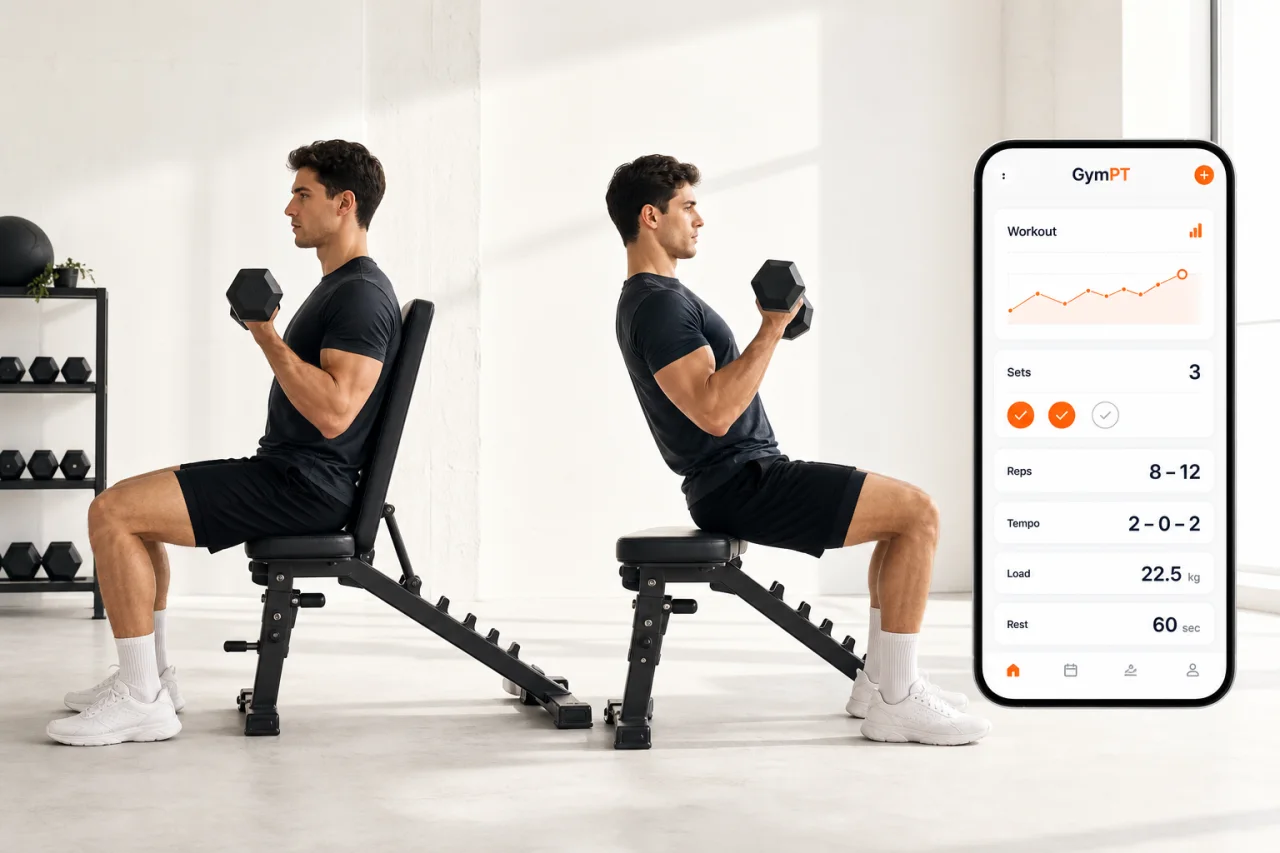
- Seated dumbbell curl — A great choice when you want less body swing and more strict elbow flexion.
- Barbell curl — Useful for straightforward overload when you can keep your torso still.
- Incline dumbbell curl — Puts the arm in a stretched position and can make the set feel more demanding without needing heavy weight.
- Hammer curl — Trains the elbow flexors with a neutral grip and is often friendlier on the wrists and forearms.
- Concentration curl — A strong finishing exercise when you want strict form and a clear mind-muscle connection. ACE highlights it as one of the most effective biceps-focused options.
How to do each exercise with better form
1. Standing dumbbell curl
Stand tall, brace your ribs, and keep your elbows close to your sides. Curl the dumbbells up without letting your shoulders roll forward. Lower the weight slowly until your arms are almost straight, then repeat.
- Best cue: “Elbows stay quiet.”
- Common mistake: swinging the torso to move the weight.
- Beginner tip: use lighter dumbbells and stop each rep before form breaks.
2. Seated dumbbell curl
Sit upright with your feet planted. This position makes it harder to cheat, which is useful if your standing curls turn into a full-body heave. ACE recommends keeping the back supported and the wrists neutral so the biceps do the work.
- Best cue: “Curl without leaning back.”
- Common mistake: letting the elbows drift forward.
- Beginner tip: use this version if standing curls feel too unstable.
3. Barbell curl
The barbell curl is a classic for a reason: it is simple to measure and easy to overload over time. Keep your wrists stacked, your chest tall, and your upper arms still. Mayo Clinic’s biceps curl guidance emphasizes controlled movement and proper technique over momentum.
- Best cue: “Lift with the biceps, not the hips.”
- Common mistake: bending the wrists back or using a hip thrust to finish reps.
- Beginner tip: start with an easy bar and add load only when every rep looks the same.
4. Incline dumbbell curl
Set an incline bench and let your arms hang naturally behind your torso. This creates a longer starting position, which many lifters find challenging in a good way. Keep the shoulders relaxed and avoid turning the rep into a front-delt raise.
- Best cue: “Let the arm hang, then curl.”
- Common mistake: shrugging the shoulders up as the weight rises.
- Beginner tip: use a lighter load than you would for standing curls.
5. Hammer curl
Hold the dumbbells with palms facing each other. This neutral grip is useful if you want a more joint-friendly arm exercise and a little extra forearm involvement. It is also a smart accessory movement when regular curls start to feel repetitive.
- Best cue: “Keep the thumbs up.”
- Common mistake: turning the movement into a shoulder swing.
- Beginner tip: use hammer curls as your second curl variation, not your only one.
6. Concentration curl
Support the working arm against your inner thigh and curl with full control. This is one of the best choices when you want to reduce cheating and make each rep count. ACE notes that concentration curls are especially effective for targeting the biceps.
- Best cue: “Slow up, slower down.”
- Common mistake: rushing the lowering phase.
- Beginner tip: use it as a finisher after your main curl work.
How many sets and reps should you do?
For general strength and muscle-building, a practical biceps plan is usually 2 to 4 sets per exercise for 8 to 15 reps, with the last few reps feeling challenging but still controlled. Mayo Clinic recommends strength training major muscle groups at least twice per week, and NSCA guidance supports using enough weekly volume to drive hypertrophy while keeping recovery manageable.
- Beginners: 2 exercises, 2 to 3 sets each, 10 to 15 reps.
- Intermediate lifters: 2 to 3 exercises, 3 to 4 sets each, 8 to 12 reps.
- Advanced lifters: 3 exercises, adjusted across the week, with some heavier and some stricter work.
A useful rule: if your biceps are getting trained hard during rows, pull-ups, or lat pulldowns, you may not need a huge amount of direct curl volume. Direct arm work should complement your pulling work, not duplicate it blindly.
What makes a biceps exercise “good”?
The best biceps exercises usually share four traits:
- Stable setup: less body swing means more tension on the target muscle.
- Full elbow flexion: the curl should actually bend the elbow through a useful range.
- Controlled lowering: the eccentric phase matters for quality reps.
- Easy progression: you should be able to add reps, load, or cleaner execution over time.
That is why a simple dumbbell curl often beats a flashy variation done with too much momentum. The goal is not to invent a new arm exercise every week. The goal is to repeat good reps long enough to improve them.
Beginner-friendly alternatives if curls feel awkward
If you are new to arm training, start with the version that feels most stable and easiest to repeat:
- Seated dumbbell curl instead of standing curls if you tend to swing.
- Hammer curl if straight-bar curls bother your wrists.
- Cable curl if you want smoother resistance through the whole rep.
- Machine curl if you want the simplest setup and least balance demand.
You do not need every variation at once. One or two curl patterns done well will beat a long list of half-focused arm exercises.
A simple biceps workout you can use today
- Dumbbell curl — 3 sets of 8 to 12 reps
- Hammer curl — 3 sets of 10 to 12 reps
- Concentration curl — 2 sets of 12 to 15 reps
Rest about 60 to 90 seconds between sets if your goal is muscle growth and control. If your form breaks down early, reduce the load before you reduce the rest.
How GymPT helps you train biceps with less guesswork
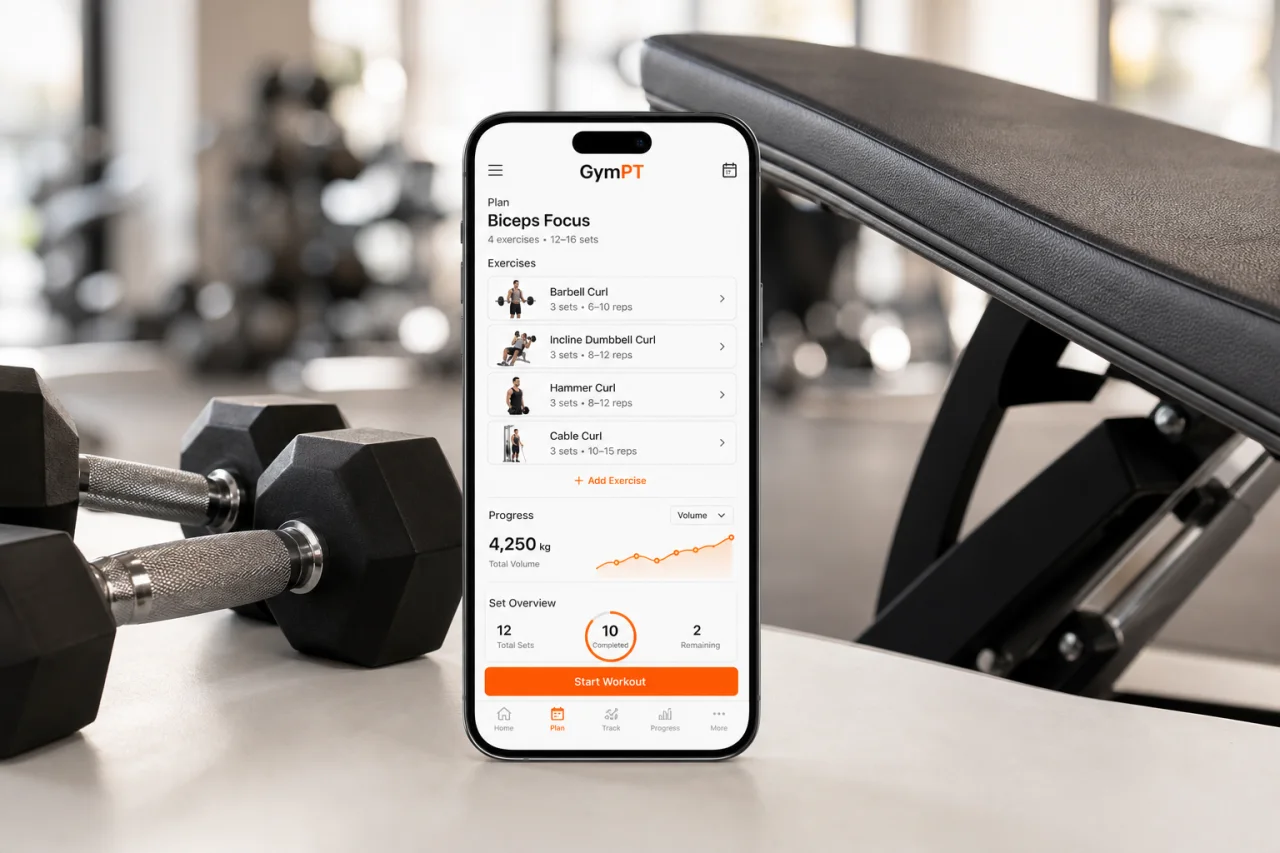
GymPT can turn this into a personalized arm session based on your equipment, training history, and current goal. If you train at home, GymPT can swap in dumbbells, bands, or cables. If you train in a gym, it can build a fuller arm day and track your progress over time so you know when to add reps or load.
That matters because the best biceps exercises are only useful if you can repeat them consistently, recover from them, and progress them. A good plan makes that easier.
Final takeaway
The best biceps exercises are the ones that let you curl with control, keep the shoulders quiet, and progress over time. Start with a standing or seated curl, add a hammer curl for variety, and use concentration curls when you want a strict finisher. Keep the volume reasonable, train consistently, and let the reps get cleaner before you chase heavier weight.