strength training program
Strength Training Program: How to Build a Plan That Gets Stronger Over Time
A good strength training program is not random hard work. It is a clear system for choosing lifts, loading them safely, and progressing over time.
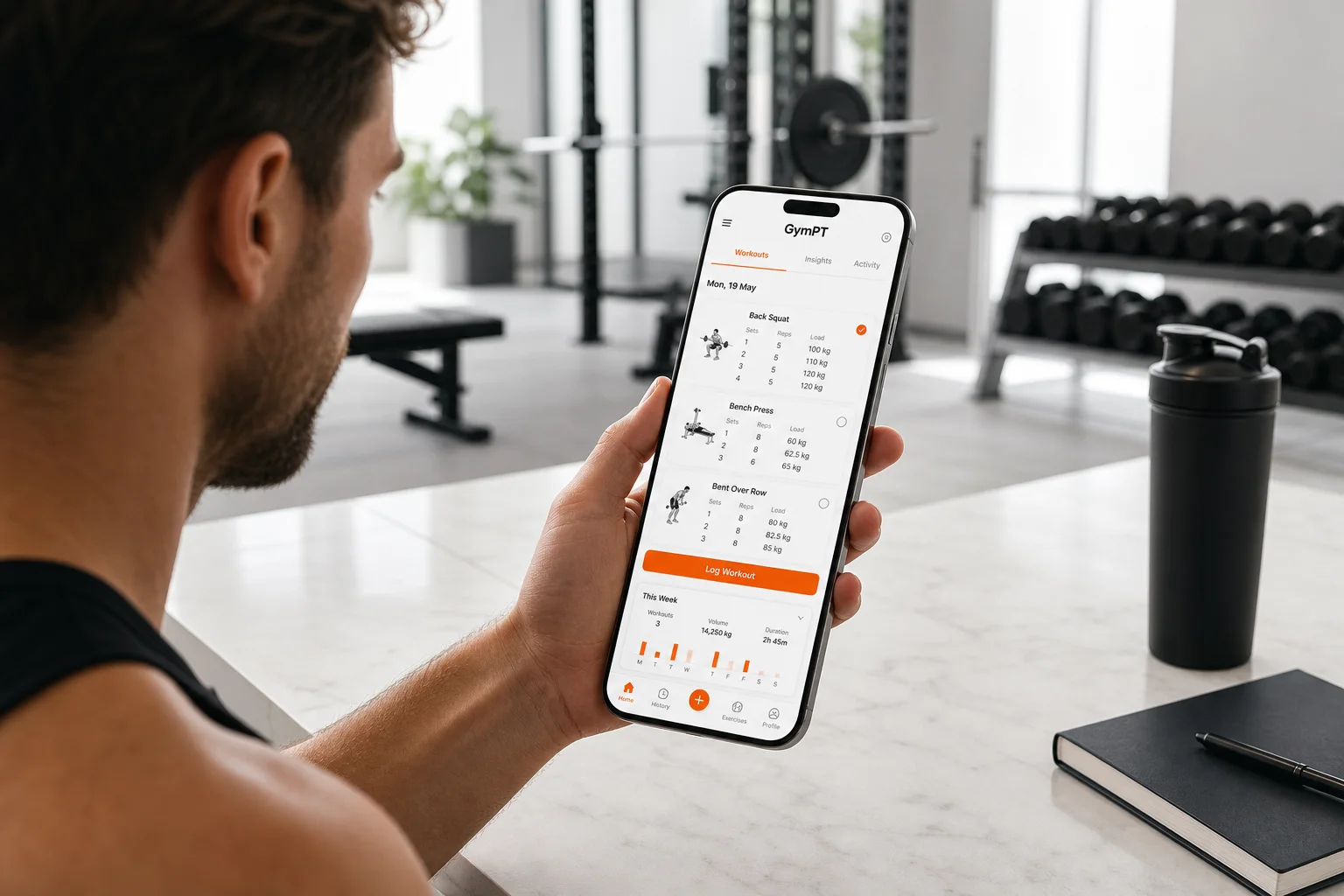
Strength training program: the simple structure behind real progress
A strong strength training program is not about doing more exercises or chasing soreness. It is about repeating the right lifts, loading them in a controlled way, and making small progress you can actually measure. That is what turns training from guesswork into a system.
If your plan changes every week, it is hard to know whether you are getting stronger. If your loads jump too fast, recovery suffers. If you never record what you did, you cannot tell what to repeat, what to increase, or what to fix. The best programs solve all three problems at once: they are simple, progressive, and trackable.
What a good strength training program should do
A useful program has one job: help you produce more force over time without breaking down your technique or recovery. In practice, that means it should:
- train the main movement patterns consistently
- use loads that are challenging but repeatable
- progress in small steps instead of big jumps
- leave enough recovery to perform well again
- show clear data so you know whether the plan is working
That approach matches current public health guidance that adults should do muscle-strengthening activity on at least two days per week, and it aligns with evidence-based resistance training recommendations that emphasize structured progression over random effort.
Start with the right weekly structure
You do not need a complicated split to build strength. Most people do better when they can repeat key lifts often enough to practice them, but not so often that fatigue takes over. A simple weekly structure usually works best:
- 2 days per week: good for beginners or busy schedules
- 3 days per week: a practical middle ground for steady progress
- 4 days per week: useful if you want more volume and better exercise variety
Each session should focus on a few core patterns: squat, hinge, push, pull, and carry or core work. You can use barbells, dumbbells, machines, or bodyweight variations depending on the equipment you have. The key is not the tool itself; it is whether the exercise lets you apply progressive loading safely and consistently.
Example session template
- Main lower-body lift
- Main upper-body push
- Main upper-body pull
- Secondary lower-body or hinge movement
- Accessory work for weak points or stability
This kind of structure keeps the plan focused. It also makes it easier to compare performance from week to week, which is essential if you want your training to improve instead of just feel hard.
How to apply progressive overload without guessing
Progressive overload sounds technical, but the idea is simple: ask the body to do a little more over time. That “more” can be more weight, more reps, more sets, better technique, or shorter rest with the same quality.
The mistake many lifters make is trying to increase everything at once. That usually creates fatigue faster than adaptation. A better method is to change one variable at a time.
- Add reps first: keep the same weight until you reach the top of your rep range
- Then add load: increase weight slightly and repeat the process
- Keep form stable: if technique breaks down, the load is probably too aggressive
- Use small jumps: especially on presses, rows, and smaller lifts
For example, if your target is 3 sets of 5 to 8 reps, you might start with 5 reps on each set. Over time, you build to 8 reps with the same weight. Then you increase the load and return to 5 reps. That is a clean, repeatable progression model.
Research summaries from ACSM emphasize that resistance training should be prescribed with progression in mind, rather than treated as a fixed routine.
Choose loads that are challenging, not chaotic
One of the fastest ways to stall is to train too heavy too soon. Another is to stay too light for too long. The sweet spot is a load that lets you complete the planned work with good technique while still feeling like real effort.
A practical rule: finish most working sets with about 1 to 3 reps left in reserve. That gives you enough stimulus to adapt without turning every session into a recovery problem. It also makes your performance easier to repeat and compare.
If you are new to strength training, start conservatively. Your first goal is not to prove how much you can lift. It is to learn the movement, build consistency, and create a baseline you can improve from.
Track the numbers that actually matter
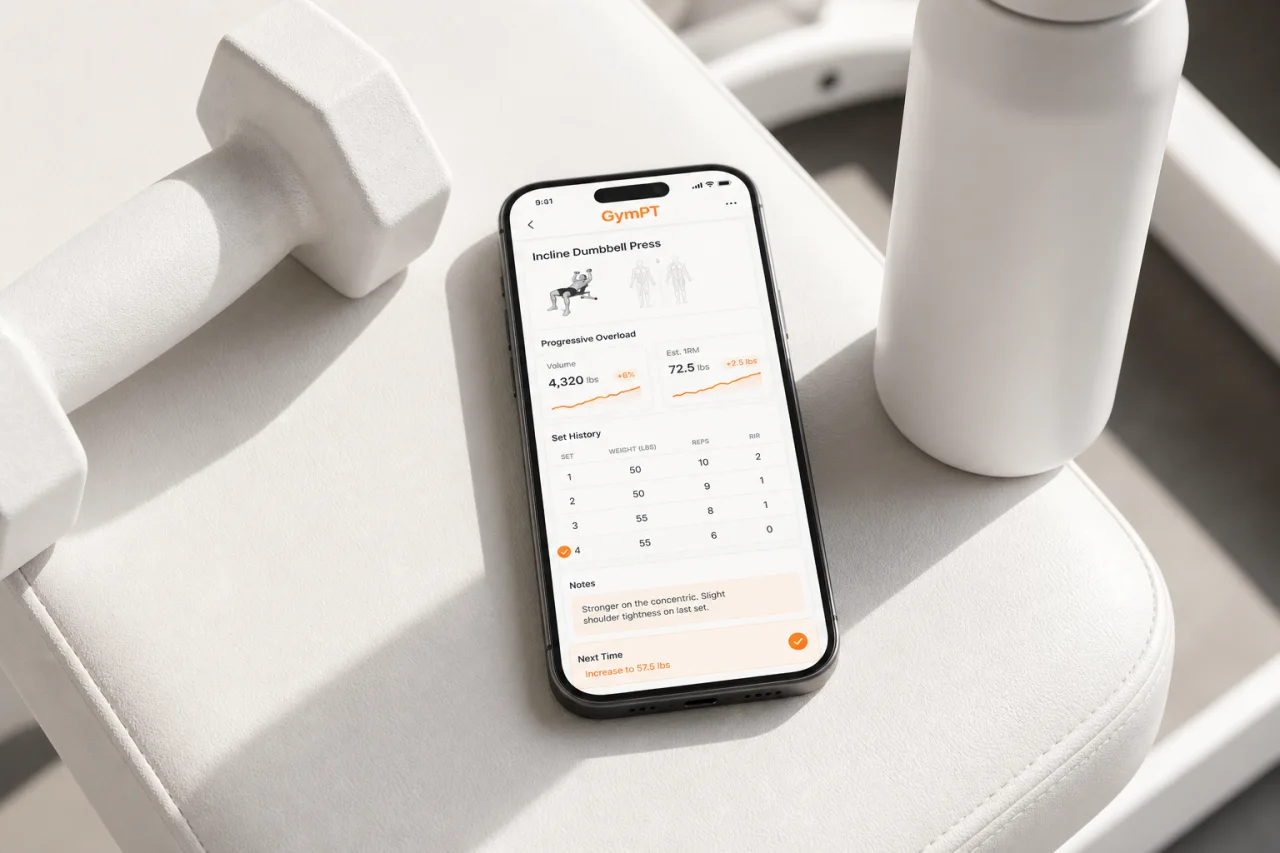
If you do not track your training, you are relying on memory, and memory is unreliable. A good log turns each workout into useful feedback. At minimum, record:
- exercise name
- sets and reps
- load used
- how hard the set felt
- any notes on form, pain, or fatigue
That is enough to see trends over time. You may notice that one lift is progressing quickly while another has stalled. You may also see that performance drops when sleep, stress, or total training volume changes. Those patterns are hard to spot without a log.
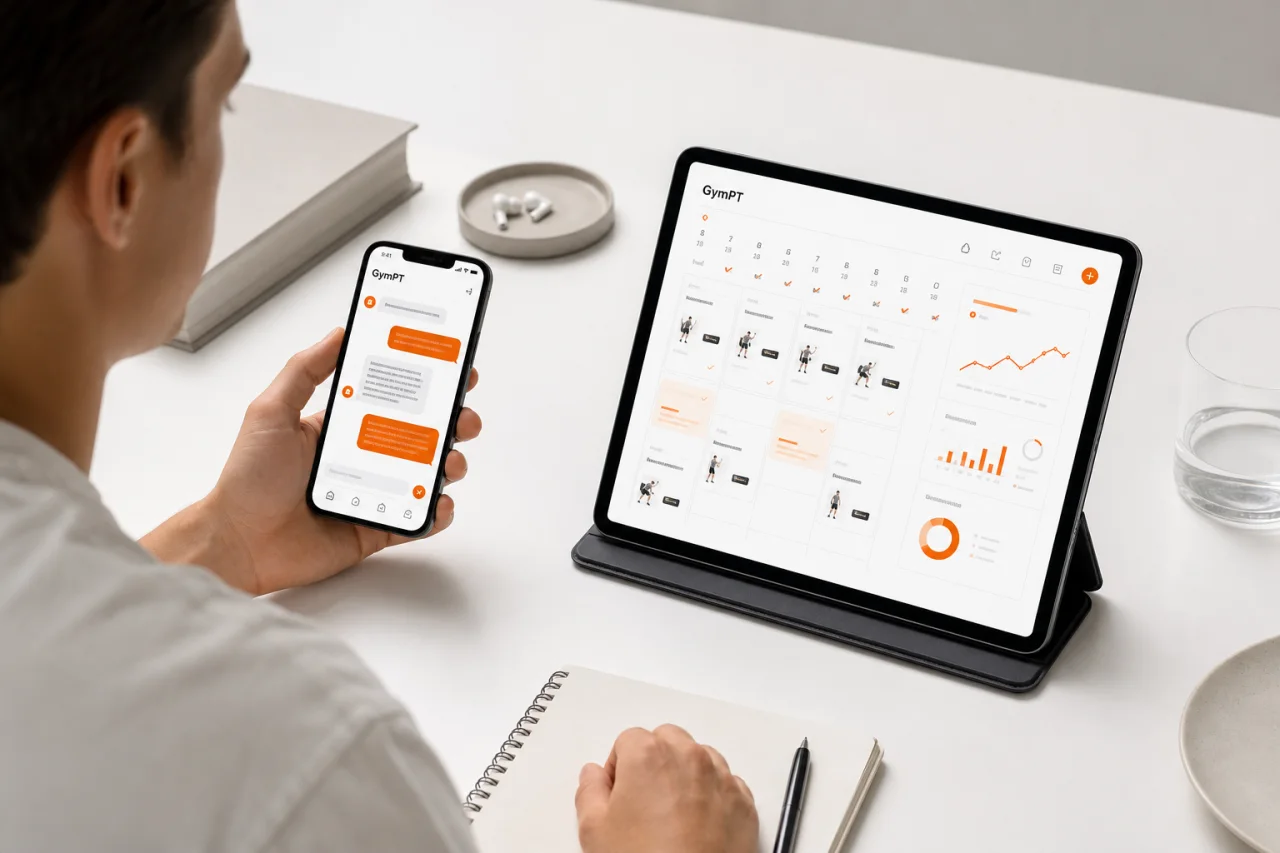
This is where an app can help. GymPT can store your workout history, show progress insights, and make it easier to adjust your plan based on what you actually did, not what you think you did.
How to know when to increase or hold steady
Progress is not always linear. Some weeks you should push forward. Other weeks you should hold the line and repeat the same load. The right decision depends on performance quality.
Increase the load or reps when:
- you complete all planned sets with solid form
- the last set still looks controlled
- recovery feels normal by the next session
- your log shows repeated success at the current load
Hold steady when:
- reps drop sharply across sets
- technique changes to finish the lift
- you feel unusually flat or fatigued
- the same weight already feels much harder than last week
That is why a smart strength training plan should be adaptive. The goal is not to force progress on a bad day. The goal is to keep the long-term trend moving upward.
Common mistakes that slow strength gains
Most stalled programs fail for predictable reasons. Avoid these traps:
- Changing exercises too often: you never stay on one movement long enough to improve it
- Adding too much volume: more work is not always better if recovery drops
- Training hard but not consistently: strength responds to repeated practice
- Ignoring technique: poor reps make progress harder to measure
- Not logging workouts: without data, you cannot manage progression
Consistency beats novelty. A program that is slightly boring but repeatable will usually outperform a flashy plan that you cannot sustain.
How GymPT helps you run the program better
GymPT is built for the part of training that most people struggle with: turning a plan into repeatable action. It can help you:
- build a personalized strength training program
- match exercises to the equipment you have
- track sets, reps, and load over time
- see progress trends instead of isolated workouts
- adjust training with AI coach chat when your schedule or recovery changes
That matters because strength is not built by one perfect workout. It is built by many good sessions that add up. The easier it is to plan, log, and review those sessions, the more likely you are to keep progressing.
Build for the next 12 weeks, not just today
If you want a strength training program that works, think in blocks of weeks, not single workouts. Pick a structure you can repeat, use progressive overload in small steps, and track every important set. Then review the trend every few weeks and make one smart adjustment at a time.
That is the real formula: simple plan, safe loading, consistent tracking, and patient progression. Do that well, and strength stops being a mystery.
Ready to make your next program easier to follow? Use GymPT to build, track, and refine your training with a plan that adapts as you improve.
Frequently asked questions
How many days per week should a strength training program use?
Most people do well with 2 to 4 strength sessions per week. The best choice depends on your schedule, recovery, and experience level.
Should I increase weight every workout?
Not always. Increase weight when you can complete the planned work with good form and stable performance. If reps or technique drop, hold steady first.
Is a strength training program different from a muscle-building plan?
Yes, but they overlap. A strength-focused plan usually emphasizes heavier loads, lower rep ranges, and more attention to performance on key lifts. A muscle-building plan usually uses more total volume. Many good programs include both.
Do I need a barbell to get stronger?
No. Barbells are useful, but dumbbells, machines, cables, and bodyweight variations can all support strength progress if you apply overload and track results.