fat loss workout plan
Fat Loss Workout Plan: A Practical Training Framework That Supports Consistency
A fat loss workout plan works best when it is simple, repeatable, and built around strength training, cardio, and progress tracking. Here’s how to structure it.
Fat Loss Workout Plan: What Actually Matters
A good fat loss workout plan is not about punishing workouts or chasing a 30-day transformation. It is about building a routine you can repeat long enough to create real change. The best plans combine strength training, cardio, recovery, and tracking so you can stay consistent week after week.
That matters because public health guidance recommends adults get both aerobic activity and muscle-strengthening work each week. In practice, that means your fat loss training plan should do more than burn calories in the moment; it should also help you preserve muscle, support energy, and make training sustainable. 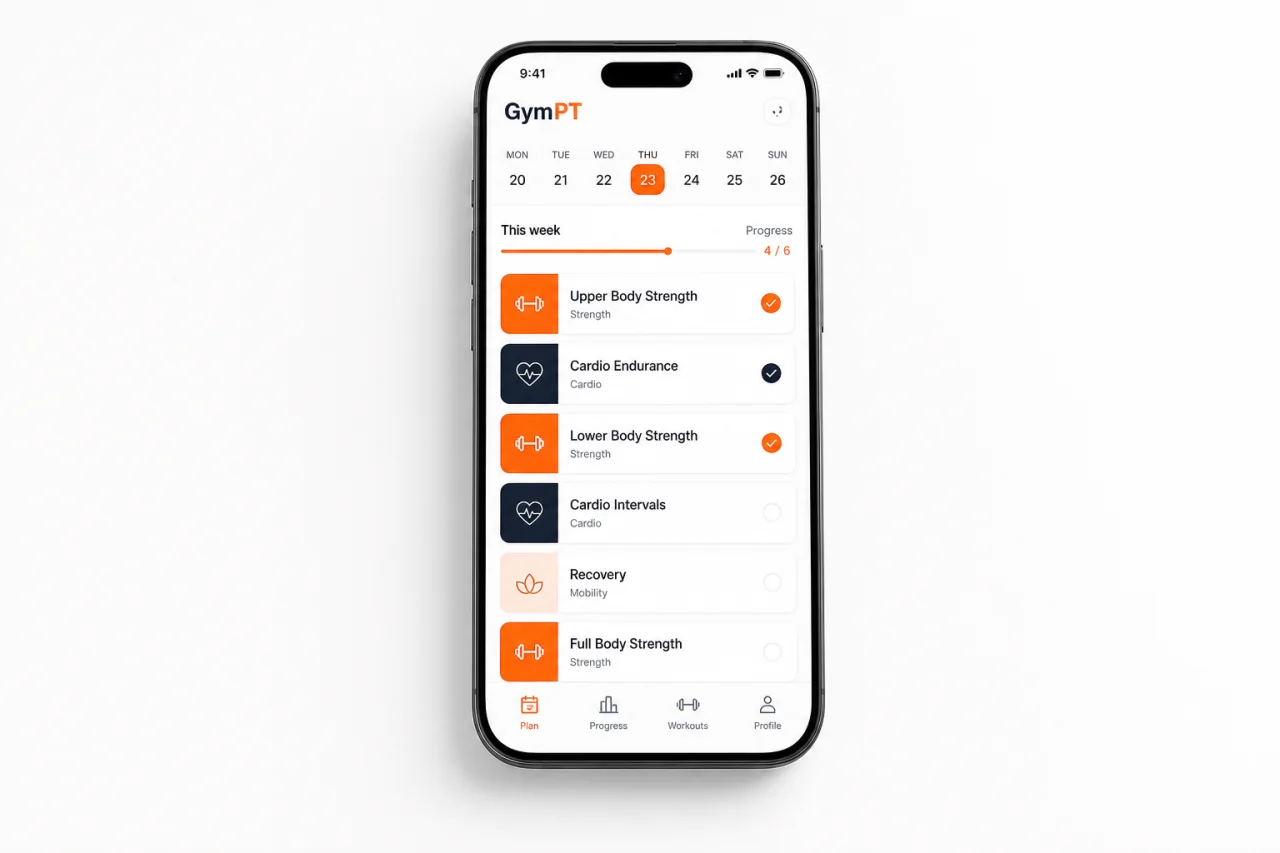
Start with the right weekly structure
If you want a workout plan for fat loss that is realistic, build it around a simple weekly rhythm:
- 2 to 4 strength sessions to keep muscle and make your training more productive.
- 2 to 3 cardio sessions to increase weekly activity and support calorie expenditure.
- 1 to 2 easier days for walking, mobility, or full rest.
This approach fits the idea that adults should get at least 150 minutes of moderate-intensity activity each week plus muscle-strengthening work on at least 2 days. You do not need to do everything in one session; spreading activity across the week is often easier to maintain.
A simple 5-day example
- Day 1: Full-body strength
- Day 2: Cardio + steps
- Day 3: Full-body strength
- Day 4: Easy cardio or active recovery
- Day 5: Full-body strength
If you prefer fewer gym days, you can still build an effective fat loss exercise routine with 3 full-body sessions and more walking on the other days. The best schedule is the one you can actually repeat.
Make strength training the anchor
Many people think fat loss means doing only cardio. In reality, strength training is the anchor of a smart fat loss workout plan because it helps you maintain muscle while you lose weight. That matters for how you look, how you perform, and how well you tolerate the process.
Use compound movements first, then add accessory work. A strong session might include:
- Squat or leg press
- Hip hinge such as Romanian deadlift or hip thrust
- Push movement such as bench press or push-up
- Pull movement such as row or lat pulldown
- Core work such as plank or dead bug
Keep the effort challenging but controlled. You should finish most sets with a little left in the tank, not completely wrecked. That makes it easier to recover and show up again next session.
Use cardio as a tool, not a punishment
Cardio is useful in a fat loss training plan, but it works best when it supports your overall routine instead of replacing it. Choose the type you can sustain:
- Low-intensity steady cardio: walking, incline treadmill, cycling, easy rowing
- Moderate cardio: brisk walking, steady bike, elliptical
- Short interval work: only if you recover well and enjoy it
For many people, the most practical option is a mix of walking and a few structured cardio sessions. Walking is underrated because it is easy to recover from, easy to repeat, and easy to fit around work and family life.
If you are building a workout plan for fat loss from scratch, start with the lowest dose that you can maintain. Then increase duration, frequency, or intensity only when the current plan feels stable. 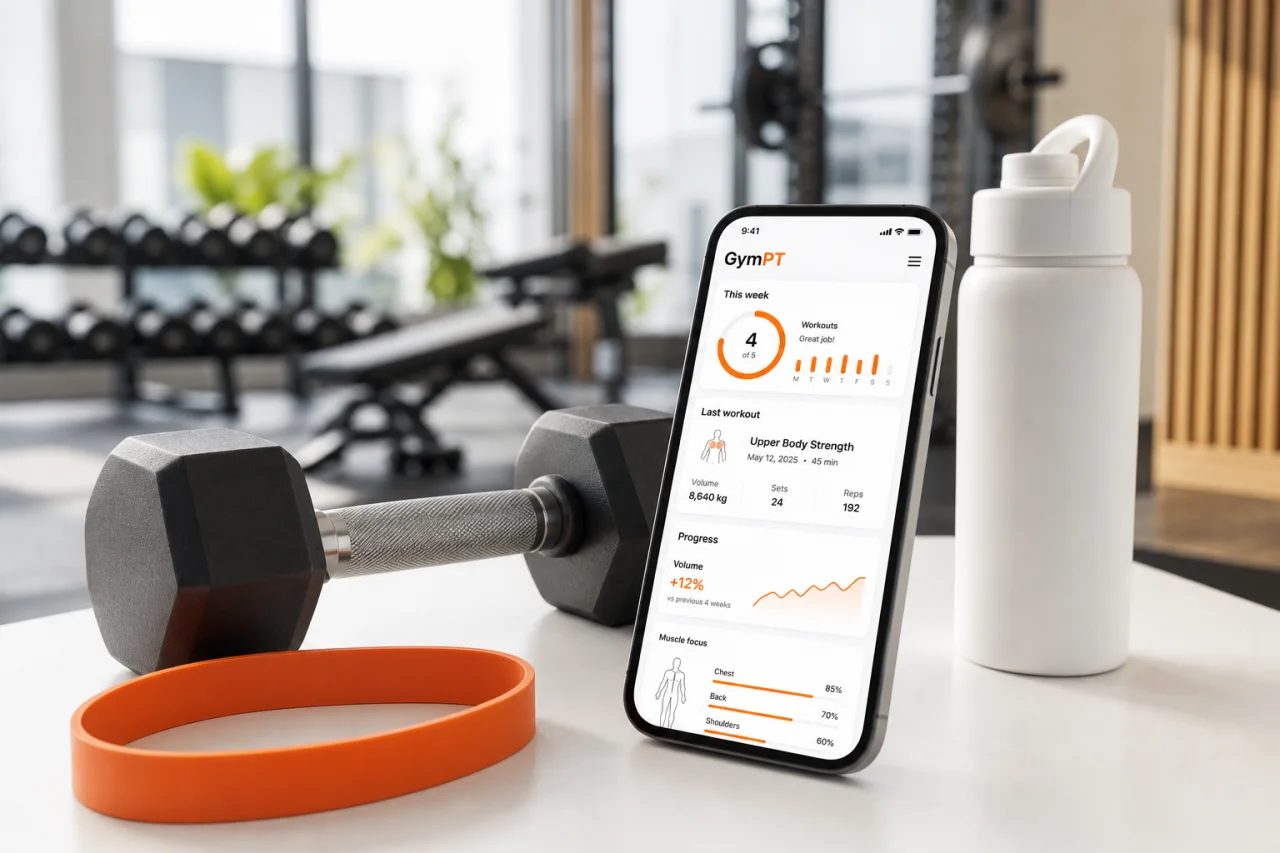
Track the right things
Fat loss progress is easy to misread if you only look at the scale. Water retention, soreness, sleep, and sodium can all change day to day. A better approach is to track a few signals together:
- Workout completion: Did you follow the plan this week?
- Strength performance: Are your lifts stable or improving?
- Steps or cardio minutes: Are you moving enough each week?
- Body measurements or photos: Are trends changing over time?
- Energy and recovery: Do you feel able to train again?
This is where a tool like GymPT can help. An AI coach, workout tracking, and progress insights make it easier to spot patterns instead of guessing. If your plan is too aggressive, your logs will usually show it before motivation disappears.
Adjust the plan before you quit
Most fat loss plans fail because they are too hard to maintain, not because the exercises are wrong. If adherence drops, adjust the plan instead of abandoning it.
- If you miss workouts, reduce the number of weekly sessions.
- If you are too sore, lower volume before lowering effort.
- If cardio feels overwhelming, replace one session with more daily walking.
- If progress stalls, look at consistency first, then training volume, then recovery.
The goal is not perfection. The goal is a plan that survives busy weeks, low-energy days, and imperfect schedules.
How GymPT can support your fat loss workout plan
GymPT helps you turn a general fat loss workout plan into something personalized. You can build training around your equipment, track your sessions, and use AI coach chat to make small adjustments when life changes. That is often the difference between a plan you save and a plan you follow.
Use GymPT to create a routine that matches your gym access, your schedule, and your current fitness level. Then keep the focus on consistency, not extremes. Over time, that is what makes the plan work.
Bottom line
A successful fat loss workout plan is simple: lift weights, do enough cardio to support activity, recover well, and track your progress honestly. If you can repeat the plan for months instead of days, you are far more likely to see meaningful change.