personalized workout plan
Personalized Workout Plan: Why Adaptive Training Beats Generic Templates
Generic plans can work for a while, but they rarely fit your schedule, equipment, or recovery. Here’s how a personalized workout plan adapts to you.
Why a personalized workout plan works better than a generic template
A personalized workout plan is built around your goal, schedule, training experience, equipment, and recovery. That matters because the best plan is not the one that looks impressive on paper; it is the one you can follow consistently and progress with over time. Public health guidance also makes the basics clear: adults should aim for regular aerobic activity and muscle-strengthening work each week, which means a good plan needs structure, balance, and room to adapt. 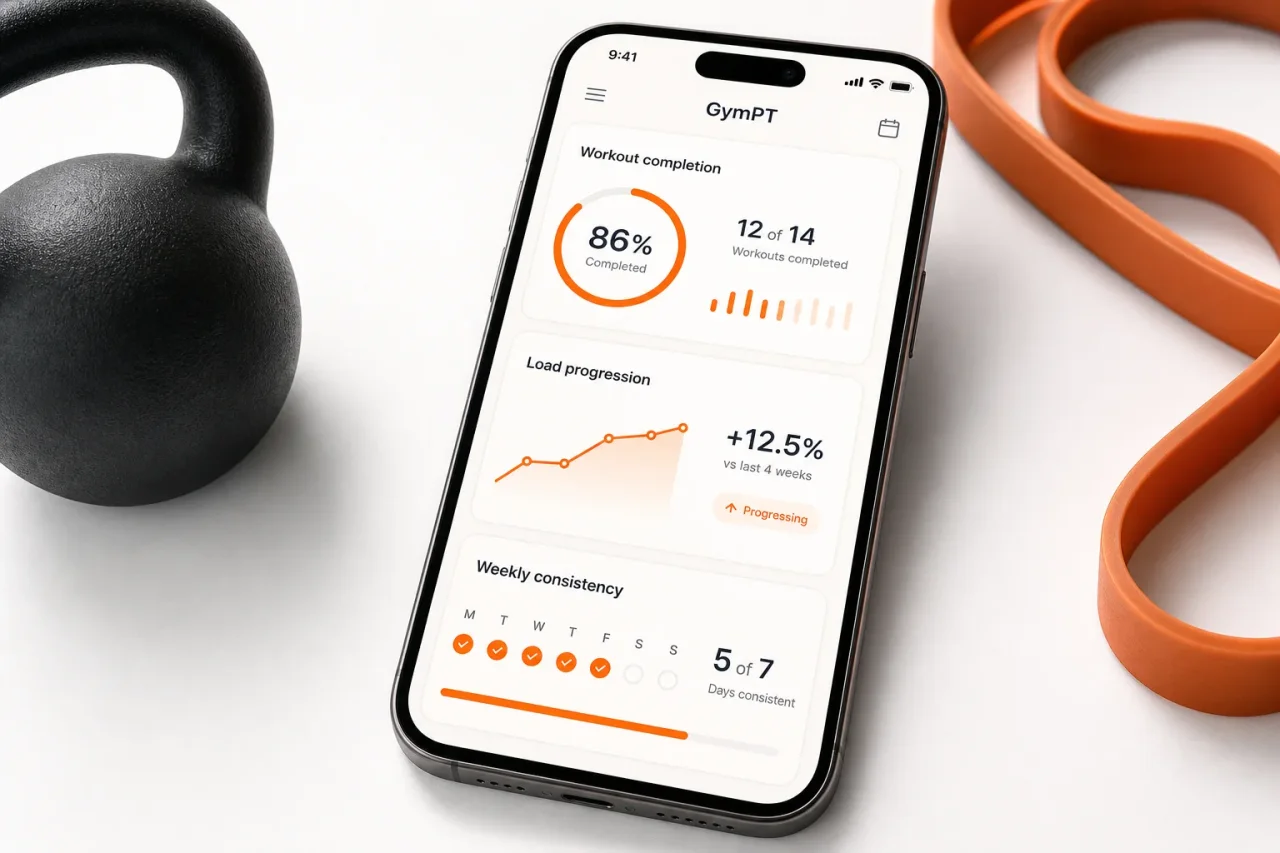
Generic templates often fail for simple reasons. They may assume you have a full gym, unlimited time, perfect recovery, or a training background you do not actually have. A personalized workout plan removes that guesswork and turns training into a system that fits real life.
What makes a workout plan truly personalized?
A useful plan is more than a list of exercises. It should answer five questions:
- What is your goal? Fat loss, muscle gain, strength, endurance, or general fitness all need different emphasis.
- How many days can you train? A 3-day plan should look different from a 6-day split.
- What equipment do you have? Dumbbells, machines, bands, or bodyweight all change exercise selection.
- How experienced are you? Beginners need simpler movement patterns and lower complexity.
- How do you recover? Sleep, stress, and soreness affect how hard you can train next session.
When these variables are built into the plan, the workout becomes easier to execute and easier to progress.
Generic plans vs adaptive planning
Generic plans usually assume that progress happens in a straight line. Adaptive planning assumes that real training is messy. Some weeks you feel strong. Some weeks your schedule changes. Some weeks you need lighter loads or fewer sets. That is where adaptive training wins.
An adaptive plan adjusts based on what you actually did, not what you hoped to do. If you missed a session, the plan can shift. If you completed all sets with good form, it can increase the challenge. If recovery is poor, it can reduce volume and keep momentum without burning you out.
This is one reason a personalized workout plan is more sustainable: it respects consistency over perfection.
The core pieces of an effective personalized workout plan
1. A clear weekly structure
Your plan should tell you exactly what to do on each training day. That might mean full-body sessions, upper/lower splits, push-pull-legs, or a hybrid approach. The right structure depends on your time, recovery, and goal.
2. Progressive overload
Progress requires a reason for your body to adapt. That can mean more reps, more weight, more sets, better form, or shorter rest periods. A good plan makes progression visible and manageable.
3. Balanced exercise selection
A strong plan includes movement patterns, not random exercises. Think squat, hinge, push, pull, lunge, carry, and core work. This helps you train the whole body instead of overloading one area.
4. Recovery built into the plan
Recovery is not an afterthought. Rest days, lighter sessions, and realistic weekly volume help you train hard enough to improve without constantly feeling drained.
5. Tracking that informs decisions
Tracking workouts turns guesswork into feedback. When you log sets, reps, and effort, you can see whether the plan is working and where it needs adjustment.
How to know if your plan is actually working
A personalized workout plan should improve more than just your motivation. Look for practical signs of progress:
- You complete sessions more consistently.
- Your lifts, reps, or workout quality improve over time.
- You recover well enough to train again on schedule.
- The plan fits your equipment and time without constant edits.
- You feel challenged, but not crushed, by every session.
If none of those are happening after several weeks, the plan may be too hard, too easy, or simply not matched to your reality.
How GymPT helps you build a personalized workout plan
GymPT is designed to make adaptive training practical. Instead of forcing you into a fixed template, it helps you create a personalized workout plan based on your goals, available equipment, and training history. You can use AI coach chat to ask questions, adjust your routine, and get guidance when your week changes. You can also track workouts and review progress insights so your plan evolves with your performance. 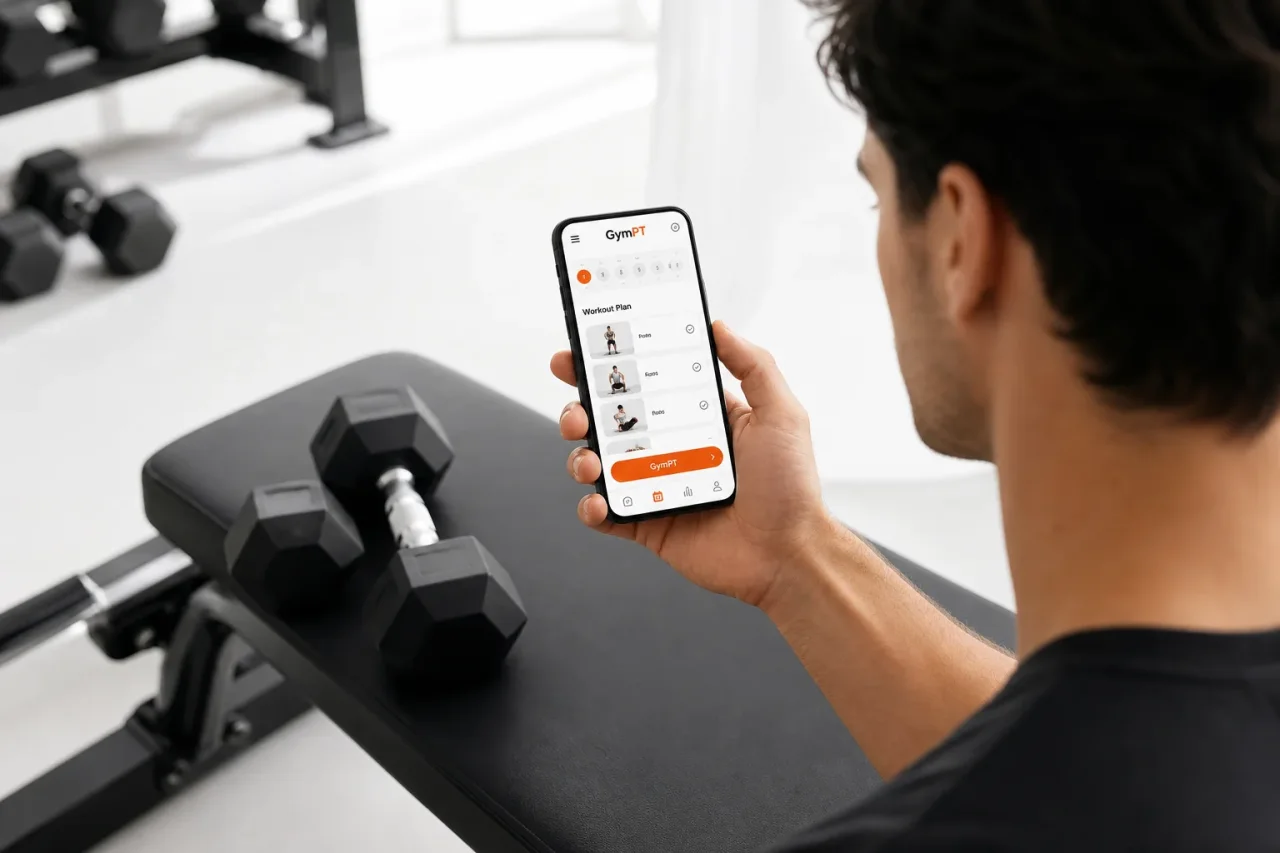
That combination matters because good training is not just about choosing exercises. It is about making better decisions week after week.
How to start building your own plan today
- Choose one primary goal for the next 8 to 12 weeks.
- Pick a realistic training frequency you can maintain.
- Match exercises to the equipment you actually have.
- Set a progression rule for reps, load, or sets.
- Track every workout so you can review what is working.
- Adjust the plan when recovery, schedule, or performance changes.
If you want a plan that fits your life instead of fighting it, start with personalization. The best workout plan is the one that adapts as you do.
Final takeaway
A personalized workout plan is more effective than a generic template because it aligns training with your goal, schedule, equipment, and recovery. That makes it easier to stay consistent, progress safely, and keep improving over time. For most people, the smartest plan is not the most complicated one. It is the one that can change when your life changes.