beginner gym workout plan
Beginner Gym Workout Plan: A Safe, Simple Start That Actually Works
A beginner gym workout plan should be simple enough to follow, structured enough to progress, and flexible enough to recover from. Here’s how to build one that works.
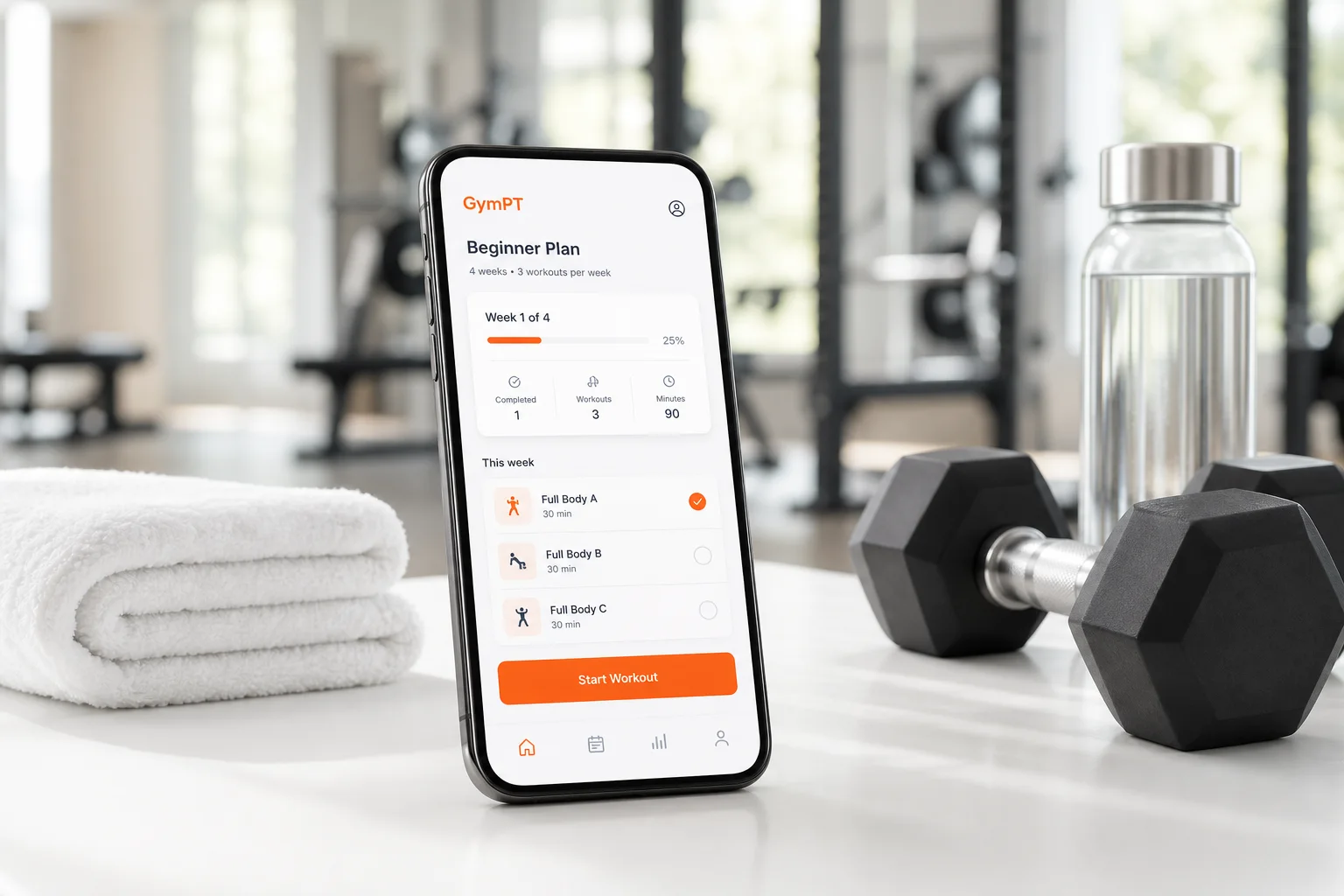
Beginner Gym Workout Plan: keep it simple, repeatable, and recoverable
If you are new to the gym, the best beginner gym workout plan is not the hardest one. It is the one you can repeat consistently, recover from, and gradually improve. Public health guidance recommends adults get regular physical activity plus muscle-strengthening work at least two days per week, which makes a simple strength-focused plan a smart place to start.
The goal in your first weeks is not to “destroy” every workout. It is to learn movement patterns, build confidence, and leave the gym with enough energy to come back again. That is how beginners make progress safely.
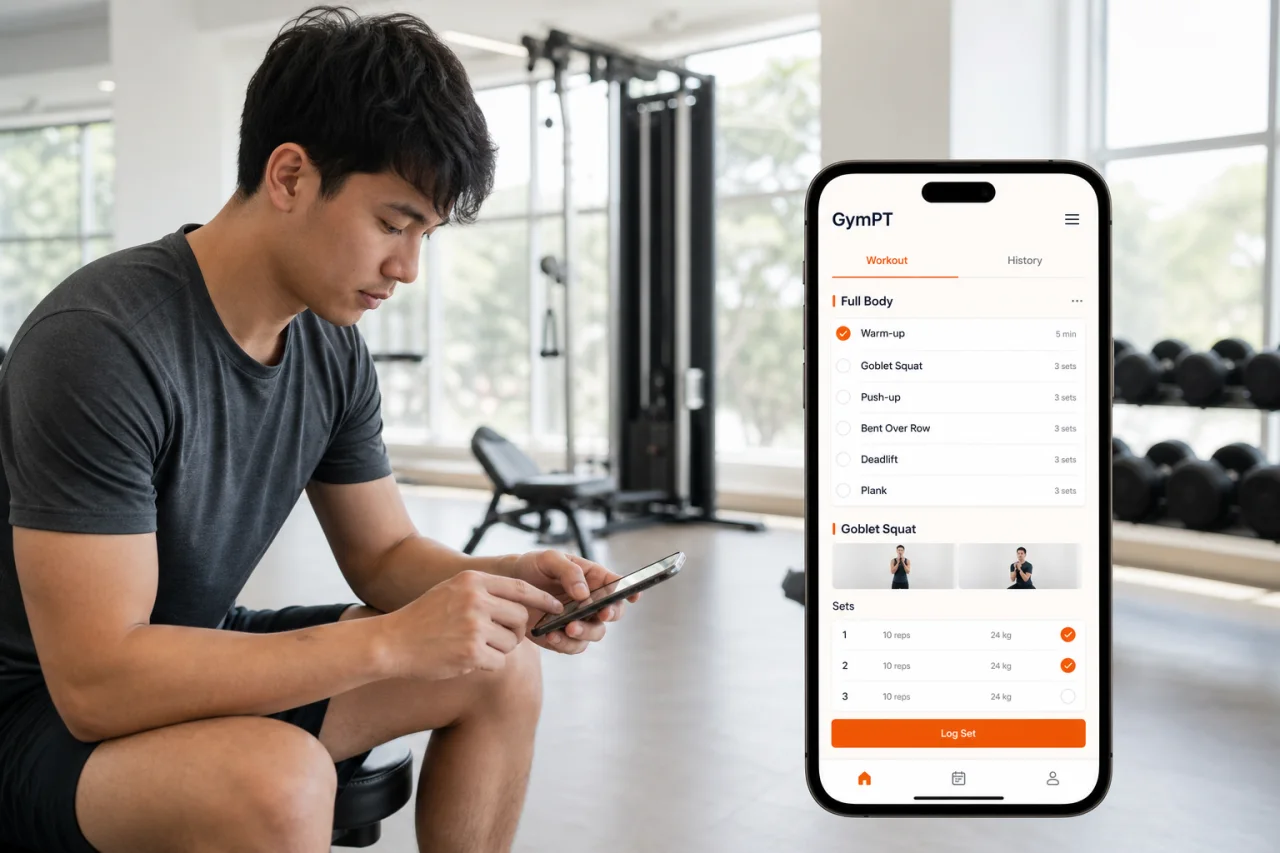
What a good beginner plan should include
A solid plan for new lifters usually has four parts:
- Basic movement patterns: squat, hinge, push, pull, and carry.
- Moderate volume: enough sets to stimulate progress, not so much that soreness takes over.
- Recovery days: at least one rest day between full-body sessions when possible.
- Progression rules: a clear way to add reps, load, or control over time.
That structure matters because beginners improve fastest when training is simple enough to execute well and consistent enough to repeat.
How often should a beginner train?
For most beginners, 3 gym sessions per week is the sweet spot. It gives you enough practice to learn the lifts while still leaving room for recovery, walking, and normal life. If three days feels like too much at first, start with two full-body sessions and build up.
CDC guidance says adults need at least 150 minutes of moderate-intensity activity each week and at least 2 days of muscle-strengthening activity. A beginner gym workout plan can help you cover both by combining strength work with light cardio or warm-up movement.
A simple 3-day beginner gym workout plan
Use this as a starting point. Keep the weights light enough that your form stays clean and you finish each set with a couple of reps in reserve.
Day 1
- Goblet squat — 2 to 3 sets of 8 to 10 reps
- Machine chest press or dumbbell bench press — 2 to 3 sets of 8 to 10 reps
- Lat pulldown — 2 to 3 sets of 8 to 12 reps
- Dumbbell Romanian deadlift — 2 sets of 8 to 10 reps
- Plank — 2 sets of 20 to 40 seconds
Day 2
- Leg press — 2 to 3 sets of 10 reps
- Seated cable row — 2 to 3 sets of 8 to 12 reps
- Dumbbell shoulder press — 2 sets of 8 to 10 reps
- Glute bridge or hip thrust — 2 sets of 10 to 12 reps
- Dead bug — 2 sets of 6 to 8 reps per side
Day 3
- Split squat or step-up — 2 sets of 8 reps per leg
- Incline push-up or machine press — 2 to 3 sets of 8 to 12 reps
- Assisted pull-up or pulldown — 2 to 3 sets of 8 to 12 reps
- Cable pull-through or kettlebell deadlift — 2 sets of 8 to 10 reps
- Farmer carry — 2 rounds of 20 to 30 meters
This is not the only way to train, but it is a reliable template for a gym workout routine for beginners because it covers the whole body without overloading any single muscle group.
How to choose the right weight
Pick a load that lets you complete the target reps with good form and a little room left at the end. If your last rep turns into a grind, the weight is probably too heavy for a beginner phase.
A practical rule: when you can hit the top of the rep range for all sets with stable technique, increase the weight slightly next time. That is safe progression in action.
How to progress without getting hurt
Progress should be boring. That is a good thing.
- Week 1-2: Learn the exercises and keep effort moderate.
- Week 3-4: Add a rep or two when form stays solid.
- Week 5-6: Add a small amount of weight if the rep target feels controlled.
- Any time form breaks: reduce the load and rebuild.
WHO notes that any physical activity is better than none, and that muscle strengthening benefits everyone. For beginners, the safest path is gradual overload, not dramatic jumps.
Recovery is part of the plan, not an afterthought
Many new lifters think progress comes from doing more. In reality, progress comes from training and recovering well enough to adapt. Sleep, hydration, protein intake, and rest days all matter.
- Rest at least 1 day between full-body lifting sessions when possible.
- Walk on off days to keep activity up without adding fatigue.
- Expect mild soreness, but not pain that changes how you move.
- Do not chase failure on every set in your first month.
If you are constantly exhausted, your plan is probably too aggressive for your current fitness level.
Common beginner mistakes to avoid
- Trying to copy advanced lifters too early.
- Changing exercises every workout.
- Using too much weight before learning the movement.
- Skipping warm-ups and then wondering why joints feel stiff.
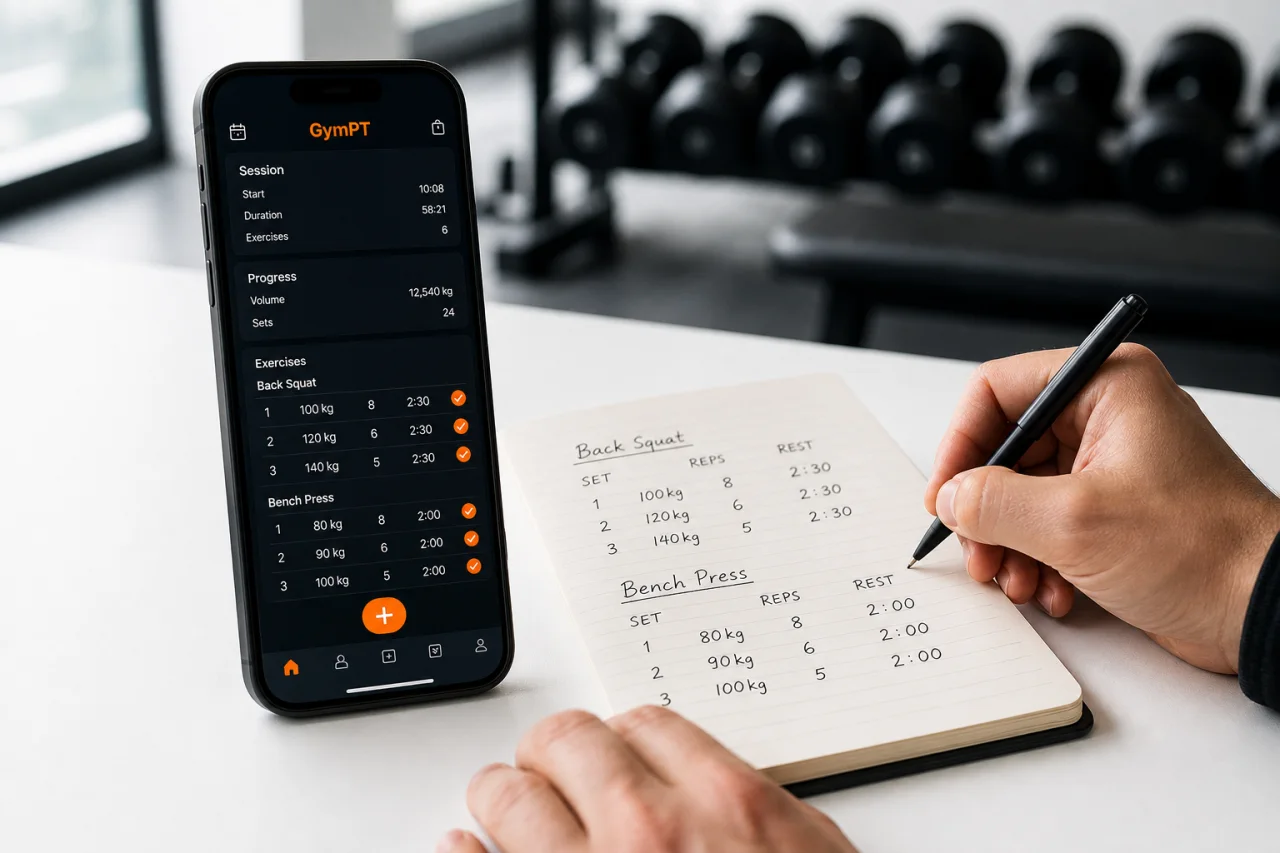
- Training hard but never tracking what you did.
Tracking matters because it shows whether you are actually progressing. Even simple notes on sets, reps, and weight can reveal patterns you would otherwise miss. If you want a deeper system for that, see our guide to workout progress tracking.
How GymPT can help beginners stay consistent
A beginner plan works best when it adapts to real life. GymPT can build a beginner strength training plan around your equipment, schedule, and experience level, then help you adjust as you improve.
- Get a personalized workout plan instead of a generic template.
- Use AI coach chat to ask form, exercise, and progression questions.
- Match training to the equipment you actually have access to.
- Track workouts and review progress insights over time.
- Use body analysis features to support better training decisions.
If you are still deciding what kind of app fits your routine, our article on how to choose a gym workout plan app can help. If your gym setup is limited, read equipment based workout ideas next. And if you want to understand how measurements can guide training, see body analysis fitness app.
Bottom line
The best beginner gym workout plan is simple, repeatable, and built around recovery. Train the basics, progress slowly, and keep showing up. That combination beats a complicated routine you cannot sustain.
If you want a plan that adjusts to your equipment, schedule, and progress, GymPT can help you start with confidence and keep improving.