AI workout plan app
How to Choose the Best AI Workout Plan App: 7 Features That Actually Matter
Not all AI workout plan apps are built the same. Learn the 7 features that matter most, how to compare options, and why GymPT is a practical example.
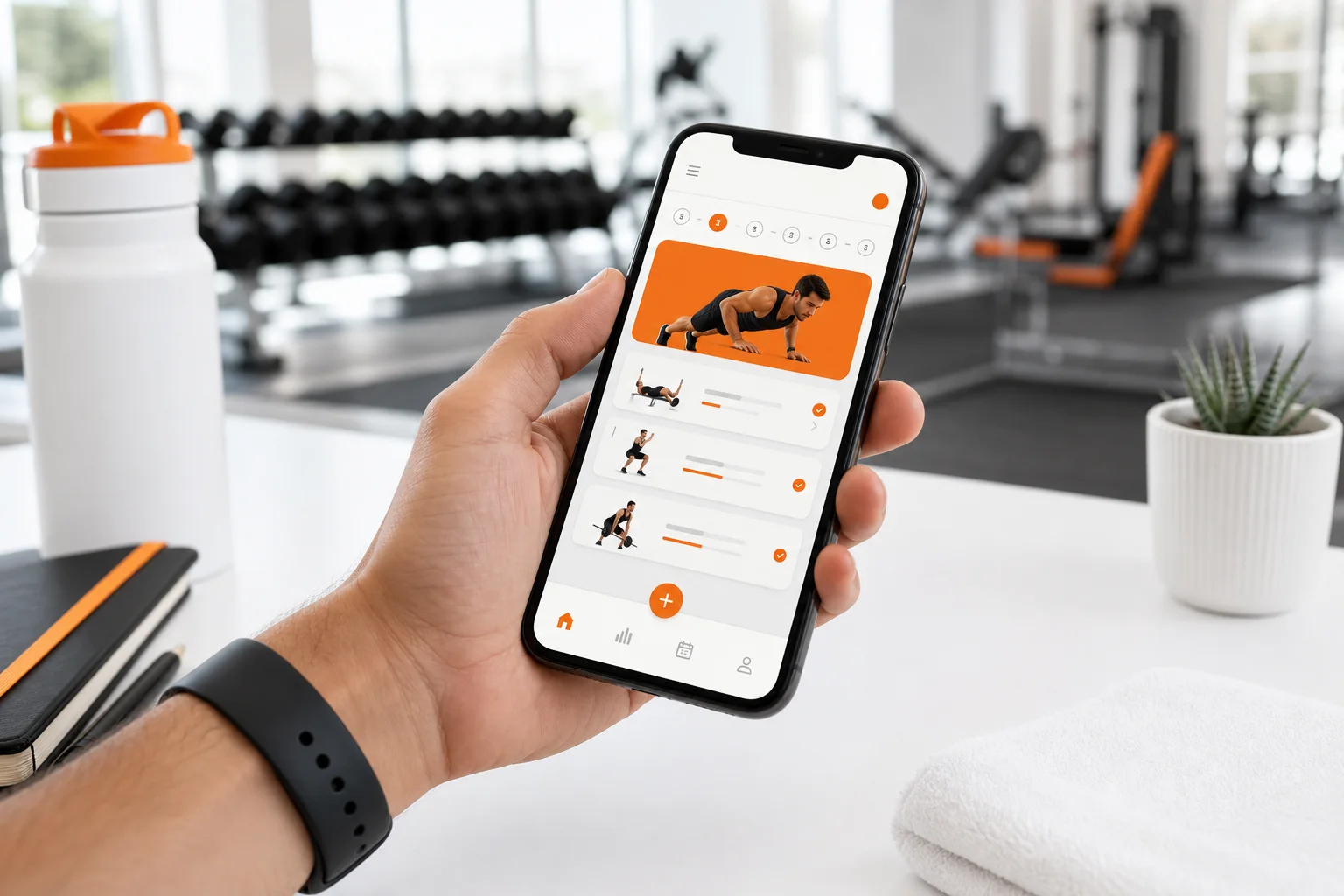
How to Choose an AI Workout Plan App That Actually Helps You Train
If you are searching for an AI workout plan app, you are probably looking for more than a generic split and a few motivational messages. The best apps should help you train with structure, adapt to your equipment, and make progress easier to see over time. That matters because public health guidance still recommends regular muscle-strengthening work on at least two days per week, alongside enough weekly activity to support overall fitness. ()
GymPT is a practical example of what a modern training app can do well: build personalized workout plans, support AI coach chat, adapt to your equipment, track workouts, and surface progress insights. But whether you use GymPT or compare other options, the real question is simple: does the app help you make better training decisions week after week?
1. Personalization should go beyond your goal
A useful app should not stop at “lose fat,” “build muscle,” or “get stronger.” It should also account for training experience, available days, equipment, and exercise preferences. That is where AI can be genuinely helpful: it can turn a broad goal into a plan that fits your actual schedule and setup.
Look for an app that can adjust training around:
- your current experience level
- the equipment you have access to
- how many days per week you can train
- the muscles or movement patterns you want to prioritize
GymPT’s workout planner is built around that idea: a plan should feel specific enough to follow, not generic enough to ignore.
2. The app should adapt to your equipment, not force a template
One of the biggest reasons people abandon workout plans is mismatch. A plan that assumes barbells, machines, and a full commercial gym will not help much if you train at home with dumbbells or a cable machine. A strong AI workout plan app should let you train with what you actually have.
That is especially useful if you want to build around a single setup, such as a home gym, a cable station, or a Smith machine. GymPT’s equipment-based training is valuable here because it helps the plan stay realistic instead of aspirational.
If you want movement-level guidance, pair planning with an exercise library so you can check form cues and exercise options without leaving the app.
3. AI coach chat should answer training questions in context
Chat is only useful if it is connected to your plan. The best AI coach chat features do more than explain what a squat is. They help you make decisions like:
- Should I reduce volume this week?
- Can I swap this exercise for another one?
- How do I progress if I only have dumbbells?
- What should I do if a workout feels too easy?
That kind of support matters because training success is often about small adjustments, not dramatic overhauls. ACSM’s updated resistance training guidance emphasizes evidence-based progression, which is a reminder that good programming is about matching the dose to the person, then adjusting over time. ()
4. Progress tracking should show more than completed workouts
Many apps track whether you finished a session. Fewer help you understand whether your training is actually moving forward. A better app should show trends such as:
- exercise performance over time
- training consistency
- volume or load progression
- body or posture changes when relevant
That is where GymPT’s workout tracking and progress insights become useful. Instead of guessing whether your plan is working, you can review patterns and make a smarter next decision. For a deeper look at this idea, see Muscle Load Tracking: How to Measure Progress Without Guessing.
5. Good apps make progression easy to understand
Progressive overload is a simple idea, but many people overcomplicate it. In practice, a good app should help you progress through small, manageable changes such as adding reps, increasing load, improving exercise quality, or adding a set when appropriate.
That is why the best AI workout plan app is not the one with the flashiest interface. It is the one that makes the next step obvious. If you are not sure how to progress, the app should help you decide without turning every workout into a puzzle.
For example, if your current plan is too easy, the app should help you move forward. If recovery is lagging, it should help you pull back. That balance is what keeps training sustainable.
6. The app should support real-world consistency
Most people do not need a more complicated plan. They need a plan they can repeat. Consistency is easier when the app helps you remove friction:
- clear workout structure
- fast session setup
- simple logging
- easy substitutions when equipment changes
- visible progress so effort feels worthwhile
Public health guidance is clear that adults benefit from regular activity and muscle-strengthening work, but the best plan is the one you can actually keep doing. ()
7. The app should help you train smarter, not just harder
A strong app should support better decisions across the whole training cycle: planning, execution, adjustment, and review. That means it should help you answer questions like:
- What should I train this week?
- What exercises fit my equipment and goals?
- How do I know if I am progressing?
- What should I change if recovery or motivation drops?
If an app can do those four things well, it is doing real coaching work. That is the standard GymPT is designed around.
What to look for before you choose
Before you commit to any AI workout plan app, use this quick checklist:
- Personalized plans: not just goal-based templates
- Equipment matching: home, gym, or hybrid training support
- AI coach chat: answers that connect to your plan
- Workout tracking: easy logging and review
- Progress insights: trends you can act on
- Exercise guidance: enough detail to train with confidence
If you want a practical place to start, GymPT combines all of those pieces in one app: personalized workout plans, AI coach chat, body analysis, equipment-based training, workout tracking, and progress insights. That makes it a strong option for people who want structure without losing flexibility.
For related reading, you may also like Home Gym Workout Plan: Build Strength in Small Spaces, Home Workout With Cable Machine: Build a Smarter Plan Around One Tool, and Body Posture Analysis App: How to Turn a Snapshot Into Smarter Training.
In short: the best app is not the one that promises the most. It is the one that helps you train consistently, progress clearly, and adjust intelligently. That is what turns an app from a novelty into a real training tool.