muscle load tracking
Muscle Load Tracking: How to Measure Progress Without Guessing
Muscle load tracking helps you see whether training is actually getting harder in the right way. Learn which metrics matter, how to log them, and when to review progress so you can adjust with confidence.
Muscle load tracking: what it is and why it matters
Muscle load tracking is the habit of recording how much work your muscles are doing over time so you can tell whether your training is progressing. In practice, that means tracking more than just the weight on the bar. You also want to see sets, reps, effort, rest, exercise selection, and how those numbers change across weeks. That is the difference between random workouts and a plan that can actually be adjusted.
For most lifters, the goal is not to chase the biggest number every session. The goal is to apply enough stress to keep adapting, then review the data at realistic intervals so you can make the next decision with confidence. That is where a workout log, a simple set of metrics, and a clear review rhythm become useful.
What to track in a muscle load tracking system
If you only track one thing, track the full picture of the session. A single number can be misleading. For example, total reps can go up even if the load is lighter, and a heavier load can hide a drop in volume. A better system combines a few practical metrics.
- Load: the weight used for each exercise.
- Sets and reps: the basic structure of the work performed.
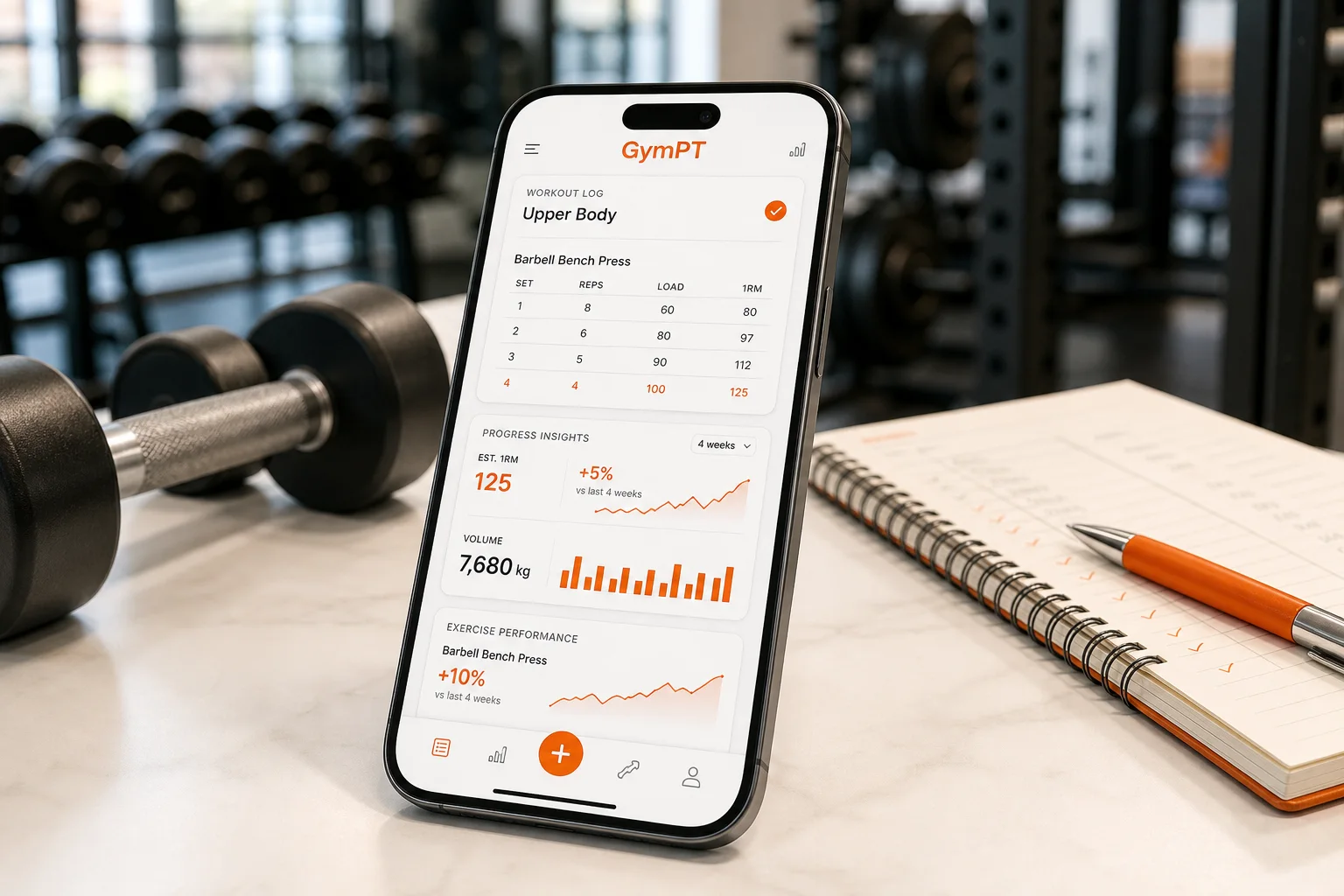
- Volume load: sets × reps × load, which gives a useful estimate of total external work.
- Effort: how hard the set felt, often captured with RPE or reps in reserve.
- Rest time: especially important when you want to compare sessions fairly.
- Exercise variation: the movement pattern, machine, or implement used.
That combination gives you enough detail to see whether you are truly progressing or just changing the workout on paper.
Why volume load is useful, but not the whole story
Volume load is a practical way to summarize training, and it is commonly defined as load multiplied by reps and sets. It helps you compare one week to the next. But it should not be treated like a perfect score. Two sessions can have the same volume load and still create very different training stress if one used heavier loads, shorter rests, or much higher effort. Research and coaching guidance both point to the same idea: use volume as a guide, not as the only measure of progress.
That is why muscle load tracking works best when you pair volume with effort and performance quality. If your volume is rising but your form is collapsing, recovery is probably the real issue.
How to log progress without overcomplicating it
You do not need a spreadsheet that takes longer to fill out than the workout itself. A simple workout log can capture the information that matters most. The easiest format is:
- Exercise name
- Load used
- Sets and reps completed
- Effort score or reps in reserve
- Short note on form, tempo, or pain-free range of motion
Example: Dumbbell bench press — 30 kg, 3 sets of 8, RPE 8, last set slower but clean.
That one line tells you enough to compare the next session. If you repeat the same exercise under similar conditions and the load, reps, or control improve, you have evidence of progress.
Use the same rules when you compare sessions
Progress only makes sense when the comparison is fair. Try to keep these variables consistent when possible:
- Same exercise variation
- Similar rest periods
- Similar range of motion
- Similar tempo and technique standard
- Similar time of day and recovery status when practical
If you change too many variables at once, the data becomes harder to interpret. That is one reason a structured app can help: it keeps the log organized while you focus on training.
How often should you review muscle load tracking data?
Reviewing too often can make normal day-to-day fluctuations look like failure. Reviewing too late can make you miss a plateau. For most people, a weekly check-in plus a deeper review every 4 to 6 weeks works well.
- Weekly: confirm that sessions were completed, loads were recorded, and effort stayed in the intended range.
- Every 4 to 6 weeks: look for trends in volume load, rep quality, and whether key lifts are moving up.
- Every 8 to 12 weeks: reassess the plan more broadly if progress has slowed or goals have changed.
This review rhythm is realistic because strength and muscle changes do not happen evenly from one workout to the next. You are looking for trends, not perfection.
What counts as real progress?
Progress is not only adding weight to the bar. In a good training block, progress can show up in several ways:
- More reps with the same load
- More load for the same reps
- Better control at the same load
- More total work at the same effort
- Less fatigue for the same performance
That matters because muscle load tracking should reflect adaptation, not ego. If you can keep technique stable while gradually increasing the challenge, you are moving in the right direction.
Common mistakes that make load tracking misleading
Many people track numbers but still cannot tell whether they are improving. Usually the problem is one of these:
- Only tracking the heaviest set: this hides the rest of the session.
- Changing exercises too often: you lose a stable comparison point.
- Ignoring effort: the same load can feel very different on different days.
- Skipping rest-time notes: shorter rest can reduce performance and distort comparisons.
- Reviewing after every workout: short-term noise can look like a trend.
Clean tracking is not about collecting more data. It is about collecting the right data consistently.
How GymPT can help you track muscle load more intelligently
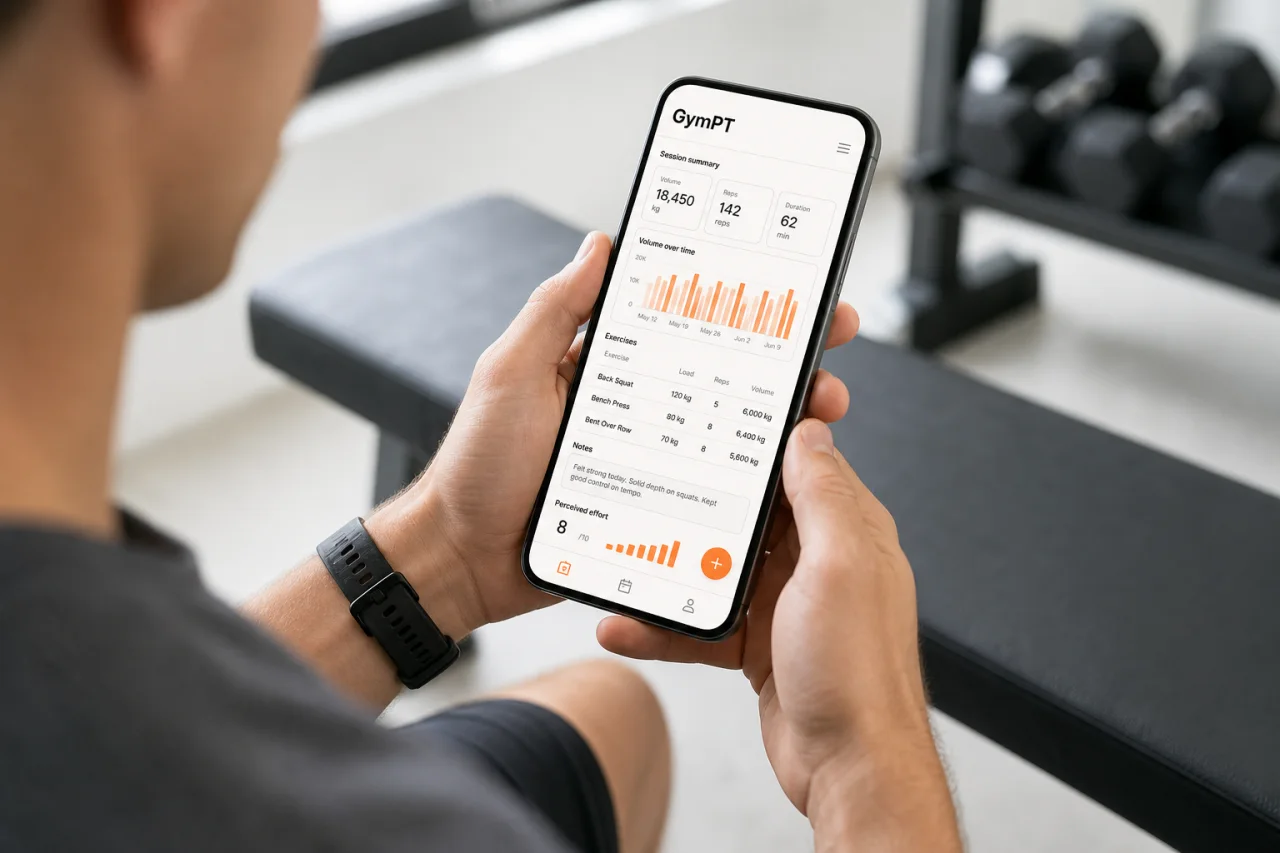
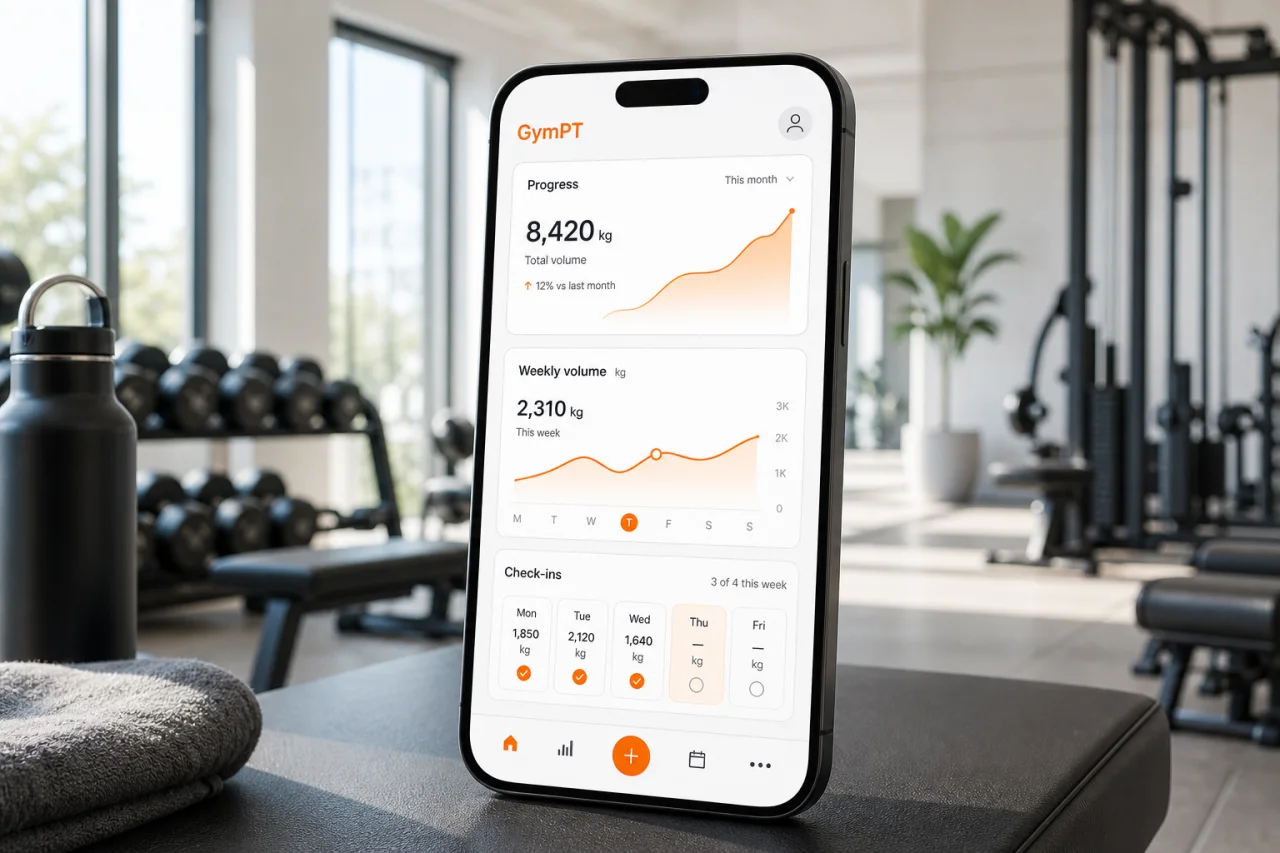
GymPT makes muscle load tracking easier by combining workout planning, exercise logging, and progress insights in one place. Instead of guessing whether you are doing enough, you can follow a plan that matches your equipment, record what you actually completed, and review the trend over time.
If you want a smarter workflow, use GymPT to:
- build a personalized workout plan around your goal and equipment
- log sets, reps, and load after each session
- use AI coach chat to adjust the plan when progress stalls
- check progress insights to spot patterns across weeks
- pair body analysis with training data for a fuller picture of change
That combination is especially useful when you train at home, switch equipment, or need a plan that adapts as your strength changes.
A simple muscle load tracking template you can start today
Use this format for your next workout:
- Exercise: Goblet squat
- Load: 24 kg
- Sets × reps: 3 × 10
- Effort: RPE 7.5
- Note: last two reps were slower, form stayed solid
Next week, try to improve one variable at a time. Add a rep, add a small amount of load, or keep the same work with cleaner execution. That is how muscle load tracking turns into real progress.
Key takeaway
Muscle load tracking works when you measure the right things, compare similar sessions, and review trends at sensible intervals. Track load, sets, reps, effort, and volume load. Then use weekly and monthly reviews to decide whether to push, hold, or adjust. That is a much better system than training by feel alone.
If you want a simpler way to do that, GymPT can help you plan, log, and review your training in one app.