AI workout assistant
What an AI Workout Assistant Can Actually Do: Smarter Planning, Better Feedback, Safer Training
An AI workout assistant can help you plan, track, and adjust training—but only if it’s used realistically. Here’s what to expect and how GymPT fits in.
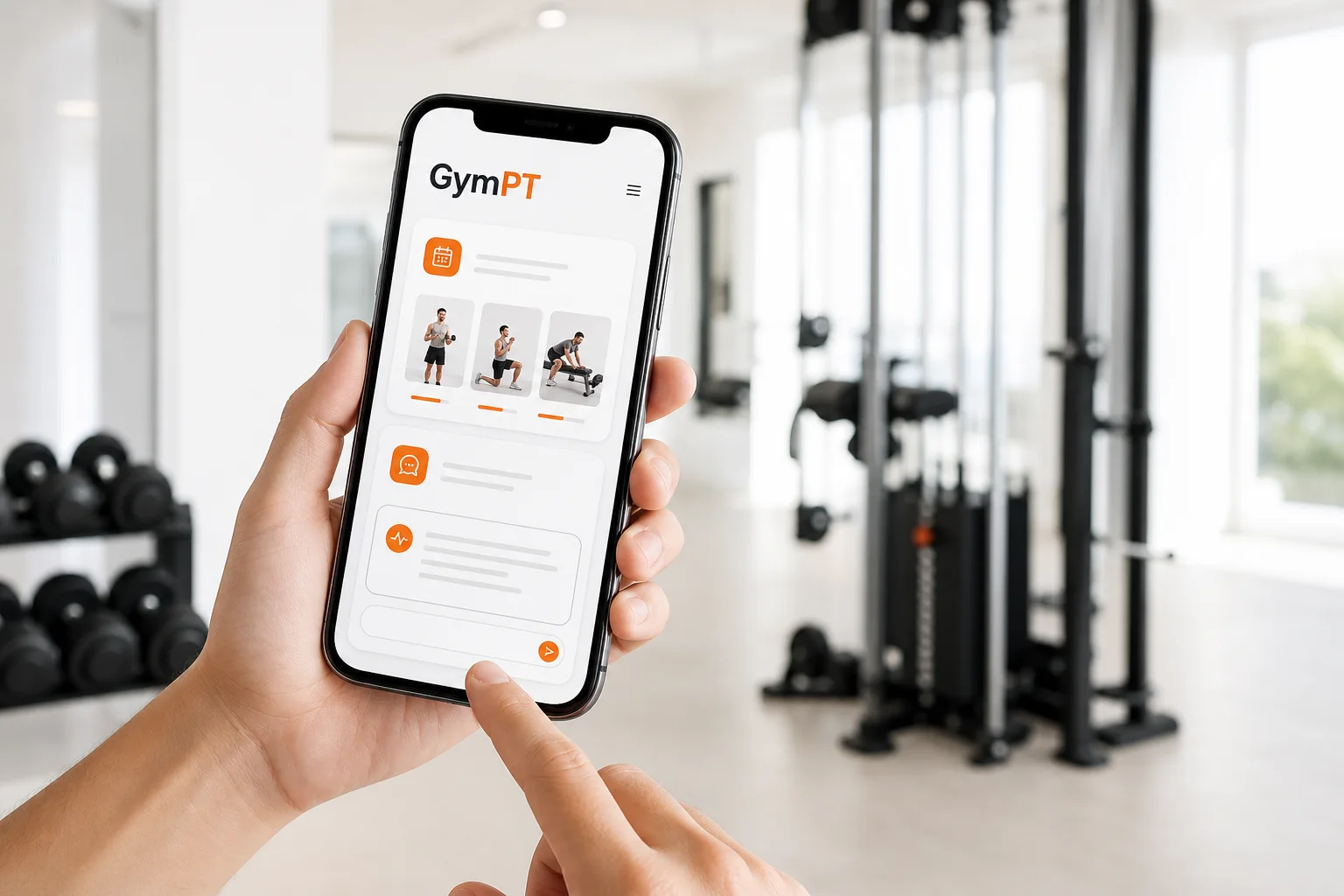
What an AI workout assistant can actually do
An AI workout assistant is best understood as a planning and feedback tool, not a magic shortcut. It can help you organize training, suggest exercise options, adapt sessions to your equipment, and keep your plan moving when your schedule changes. Used well, it reduces guesswork. Used poorly, it can create overconfidence. The goal is to make training clearer, more consistent, and easier to follow.
That matters because consistency is one of the biggest drivers of progress. Public health guidance from the World Health Organization recommends regular physical activity for adults, and strength training is a useful part of that bigger picture. An assistant that helps you stay on track can make those habits easier to maintain.
Where AI coaching helps most
Good AI coaching is strongest when it handles the repetitive parts of training. It can turn broad goals into a structured plan, help you choose exercises that match your equipment, and keep a record of what you actually did last session. That is especially useful if you train at home, split time between machines and free weights, or need a plan that changes as your week changes.
For many people, the biggest benefit is not novelty. It is clarity. Instead of wondering what to do next, you get a plan that is easier to follow and easier to repeat. That is why an AI coach chat can be valuable: it gives you a fast way to ask, “What should I do today?” or “How do I adjust this workout if I only have dumbbells?”
Practical ways an AI assistant can support training
- Build a workout structure around your goal, schedule, and experience level.
- Suggest substitutions when equipment is limited.
- Track completed sets, reps, and loads so progress is visible.
- Highlight trends in performance so you can adjust volume or exercise selection.
- Help you stay consistent when motivation is low or time is short.
What an AI workout assistant should not do
A realistic AI coach should not pretend to diagnose pain, replace a clinician, or promise perfect form from a few inputs. It also should not push every user toward the same template. Training needs vary by experience, recovery, equipment, and tolerance for volume. That is why the best AI coaching is specific, but still cautious.
Health organizations also emphasize basic exercise safety. The NHS recommends warming up before more rigorous exercise, and MedlinePlus advises checking with a health professional if you have concerns about balance, movement, or whether exercise is safe for you. Those are good reminders that smart training starts with sensible guardrails.
How GymPT uses AI coaching in a more realistic way
GymPT is designed to support training decisions, not replace judgment. It creates personalized workout plans based on your goal, available equipment, and training history. It also gives you AI coach chat for quick adjustments, workout tracking for logging what you completed, and progress insights so you can see whether your plan is actually moving forward.
That combination matters because a plan is only useful if it fits real life. If your schedule changes, GymPT can help you adapt. If your gym setup changes, it can help you swap exercises. If your progress stalls, it can help you review what changed instead of guessing.
Safer planning starts with better inputs
The more accurate your starting point, the better the plan. That means being honest about your experience, your equipment, your time, and how hard you want to train. It also means using the app to keep the plan grounded in what you can actually recover from. The ACSM’s position stand on resistance training emphasizes evidence-based prescription and progression, which is a good reminder that training should be built, not improvised.
How to use an AI workout assistant without overdoing it
The best way to use AI in training is to treat it like a coach’s assistant, not a replacement for common sense. Start with a plan that matches your current level. Keep warm-ups simple and repeatable. Track your sessions honestly. Then adjust one variable at a time, such as reps, load, sets, or exercise selection.
- Start with a realistic weekly schedule. A plan you can repeat beats a perfect plan you abandon.
- Use equipment-based training. Choose exercises that fit the tools you actually have.
- Log your workouts. Progress is easier to manage when the data is visible.
- Review trends, not just single workouts. One bad session is not a failure.
- Keep recovery in the plan. More work is not always better work.
That approach fits the broader public health message too: adults benefit from regular activity, and even small increases in movement can matter when they are sustained.
Who benefits most from AI coaching?
An AI workout assistant is especially useful if you want structure but do not want to spend time building every session from scratch. It can help beginners who need direction, busy people who need fast adjustments, and experienced lifters who want a more efficient way to track and refine training.
It is also helpful for people who train in different environments. If you sometimes use a full gym and sometimes train at home, AI coaching can keep the plan consistent while still adapting the exercise list. That flexibility is one of the most practical reasons to use GymPT.
How to tell if an AI workout assistant is worth using
Ask a simple question: does it make your training clearer, safer, and easier to repeat? If the answer is yes, it is doing its job. If it only gives generic workouts, ignores your equipment, or makes progress hard to track, it is not helping much.
GymPT is built to do the useful parts well: personalized planning, AI coach chat, workout tracking, body analysis, equipment-based training, and progress insights. That makes it a practical option for people who want AI coaching that feels grounded in real training, not hype.
If you want a smarter way to plan your next session, start with the basics: a realistic schedule, a clear goal, and a tool that helps you stay consistent.
For related reading, see How to Choose the Best AI Workout Plan App: 7 Features That Actually Matter, AI Fitness Plan Generator: How to Use AI Coaching Without Guessing Your Way Through Training, AI Gym Workout Generator: How to Use AI Coaching for Smarter, Safer Training, and Muscle Load Tracking: How to Measure Progress Without Guessing.