AI home workout coach
AI Home Workout Coach: How to Train Smarter at Home Without Guessing
An AI home workout coach can help you plan smarter home sessions, adapt to your equipment, and stay consistent—if you use it the right way.
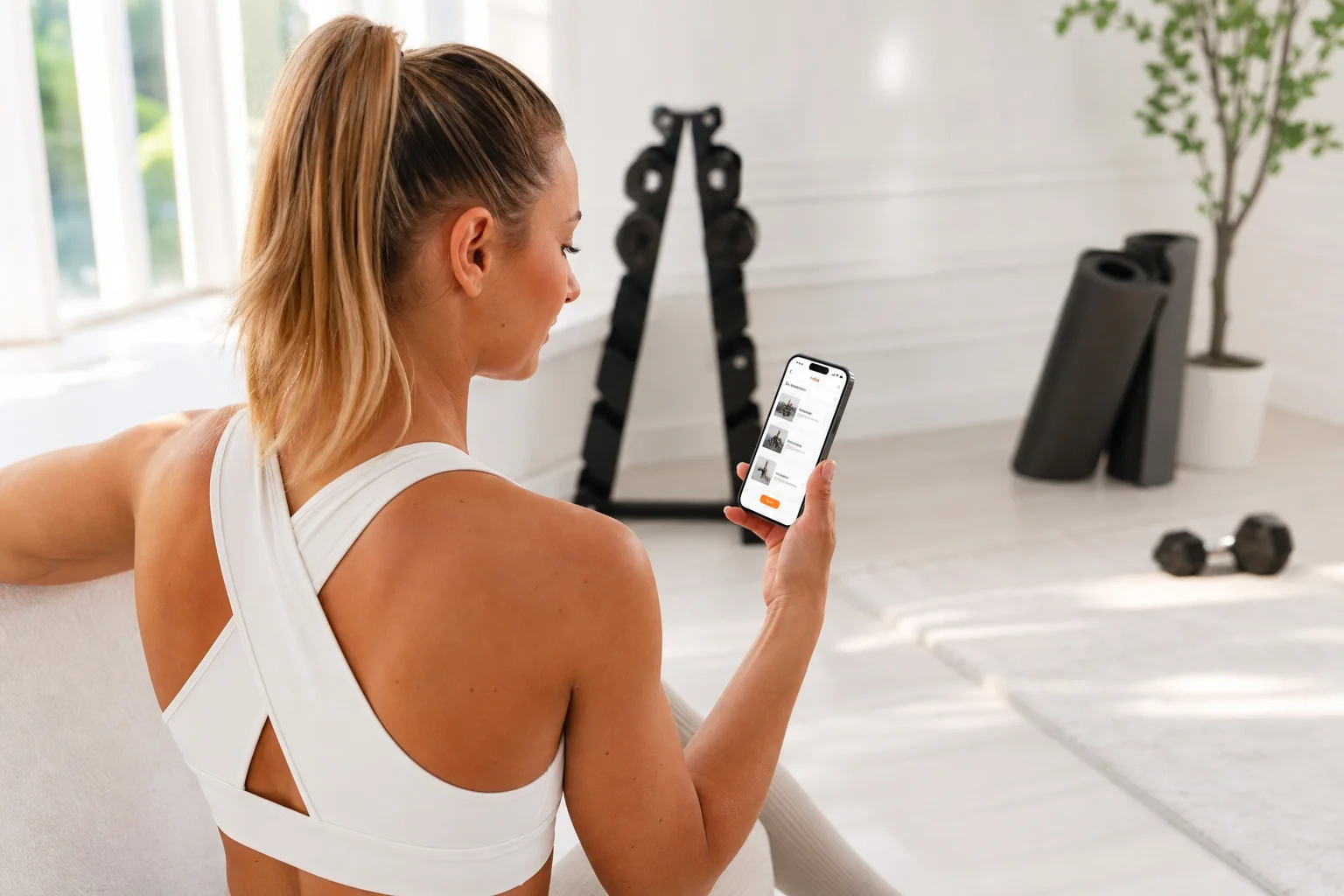
AI Home Workout Coach: What It Can Do Well, and What It Should Not Do
An AI home workout coach can make home training feel more structured, more personal, and less random. Instead of guessing which exercises to do, how many sets to perform, or when to progress, you can use AI to build a plan around your goal, your schedule, and the equipment you actually have.
That said, the best AI coaching is not magic. It does not replace good training principles, and it should not pretend to diagnose pain, fix injuries, or override common sense. Used well, it is a planning tool: a way to organize workouts, track progress, and make better decisions with less friction.
For many people, that is exactly what home training needs.
Why home workouts often fail without a coach-like system
Home training usually breaks down for one of four reasons:
- No clear plan: You start with motivation, then repeat the same few exercises until progress stalls.
- Wrong exercise selection: The workout does not match your equipment, space, or current ability.
- Progress is hard to see: Without tracking, it is difficult to know whether you are getting stronger or just getting tired.
- Consistency slips: If every session requires fresh decision-making, it becomes easier to skip.
That is where an AI home workout coach can help. It reduces the number of decisions you need to make and turns training into a repeatable system.
What an AI home workout coach should actually help with
A realistic AI coach should support the parts of training that benefit from structure, not guesswork.
1. Personalized workout planning
A good plan starts with your goal. Strength, muscle gain, fat loss support, general fitness, and return-to-training all need different exercise choices, volumes, and pacing. AI can help build a plan that reflects your goal instead of handing you a generic routine.
2. Equipment-based training
Home gyms are not all the same. Some people have dumbbells and a bench. Others have resistance bands, a pull-up bar, or only bodyweight space. A useful AI workout plan adapts to what you have, so the plan is practical from day one.
3. Progression that is easy to follow
Progressive overload does not have to be complicated. An AI coach can suggest when to add reps, increase load, change tempo, or move to a harder variation. The goal is not to make every workout harder. The goal is to make training gradually more effective.
4. Workout tracking and feedback
Tracking matters because memory is unreliable. When you log sets, reps, and effort, you can compare today’s session with last week’s and make better decisions. That is especially useful at home, where there is no coach watching your form or reminding you what you did last time.
5. Simple coaching support between sessions
AI coach chat can be helpful for quick questions like, “What should I do if I only have 20 minutes?” or “How do I adjust this workout if I missed yesterday?” The best use is practical support, not endless conversation.
How GymPT supports safer home training
GymPT is built to help you train with more structure and less guesswork. As an AI personal trainer app, it can create personalized workout plans, support AI coach chat, adapt training to your equipment, track workouts, and show progress insights over time.
That matters because safer training usually comes from better planning, not from doing more random exercises. A home workout plan should match your current level, your available equipment, and your recovery capacity. GymPT helps organize those pieces so your sessions are more consistent and easier to follow.
For example, if you train at home with limited equipment, GymPT can help you focus on movements that fit your setup instead of forcing a gym-style plan into a living room routine. If your goal changes, your plan can change with it. If your progress stalls, your logs and insights make that easier to spot.
What the research says about AI coaching and exercise habits
Current research suggests that digital coaching can improve engagement and adherence when it is personalized and easy to use. Reviews of AI-enabled and hybrid coaching systems report that support, personalization, and timely feedback are important for keeping people involved over time. Public health guidance also continues to emphasize the basics: adults should get regular aerobic activity and muscle-strengthening work each week.
That combination is important. AI is most useful when it helps people do the fundamentals more consistently: plan, train, recover, and repeat. It is less useful when it tries to replace judgment or promise results that depend on many other factors.
In other words, the value of an AI home workout coach is not that it makes training effortless. It is that it makes training easier to sustain.
How to use an AI home workout coach the smart way
- Start with one clear goal. Pick one main outcome for the next 8 to 12 weeks.
- Be honest about your equipment. A plan is only useful if you can actually do it.
- Keep the weekly structure simple. Repeating a good plan is usually better than constantly changing it.
- Track the basics. Log exercises, sets, reps, and how hard the session felt.
- Review progress every few weeks. Adjust volume, exercise selection, or difficulty based on what the data shows.
If you want a practical starting point, a home plan with 2 to 4 strength sessions per week is often easier to maintain than an overly ambitious schedule. The exact split matters less than consistency, recovery, and progression.
When AI coaching is not enough
An AI coach is a planning assistant, not a medical professional. If you have pain, a recent injury, dizziness, chest symptoms, or a health condition that affects exercise, you should get appropriate medical guidance before pushing training harder.
Even without a medical issue, AI should be treated as a tool that supports your decisions. It can help you organize training, but you still need to pay attention to how you feel, how you recover, and whether the plan is realistic for your life.
The bottom line
The best AI home workout coach is not the one that sounds the smartest. It is the one that helps you train more consistently, with a plan that fits your equipment, your schedule, and your current level.
If you want AI to be genuinely useful, look for personalization, tracking, and sensible progression. That is where GymPT fits in: it helps turn home workouts into a repeatable system instead of a daily guessing game.
Train with structure. Adjust with data. Keep it realistic.
Related reading: AI Gym Workout Generator: How to Use AI Coaching for Smarter, Safer Training, AI Fitness Plan Generator: How to Use AI Coaching Without Guessing Your Way Through Training, How to Choose the Best AI Workout Plan App: 7 Features That Actually Matter, 3 Day Full Body Workout Plan: How to Train Smarter, Recover Better, and Progress Week by Week