3 day gym workout plan
3 Day Gym Workout Plan: A Simple Weekly Structure That Actually Works
A 3 day gym workout plan is one of the most practical ways to train consistently. Learn how to structure it for strength, muscle, recovery, and real-life schedules.
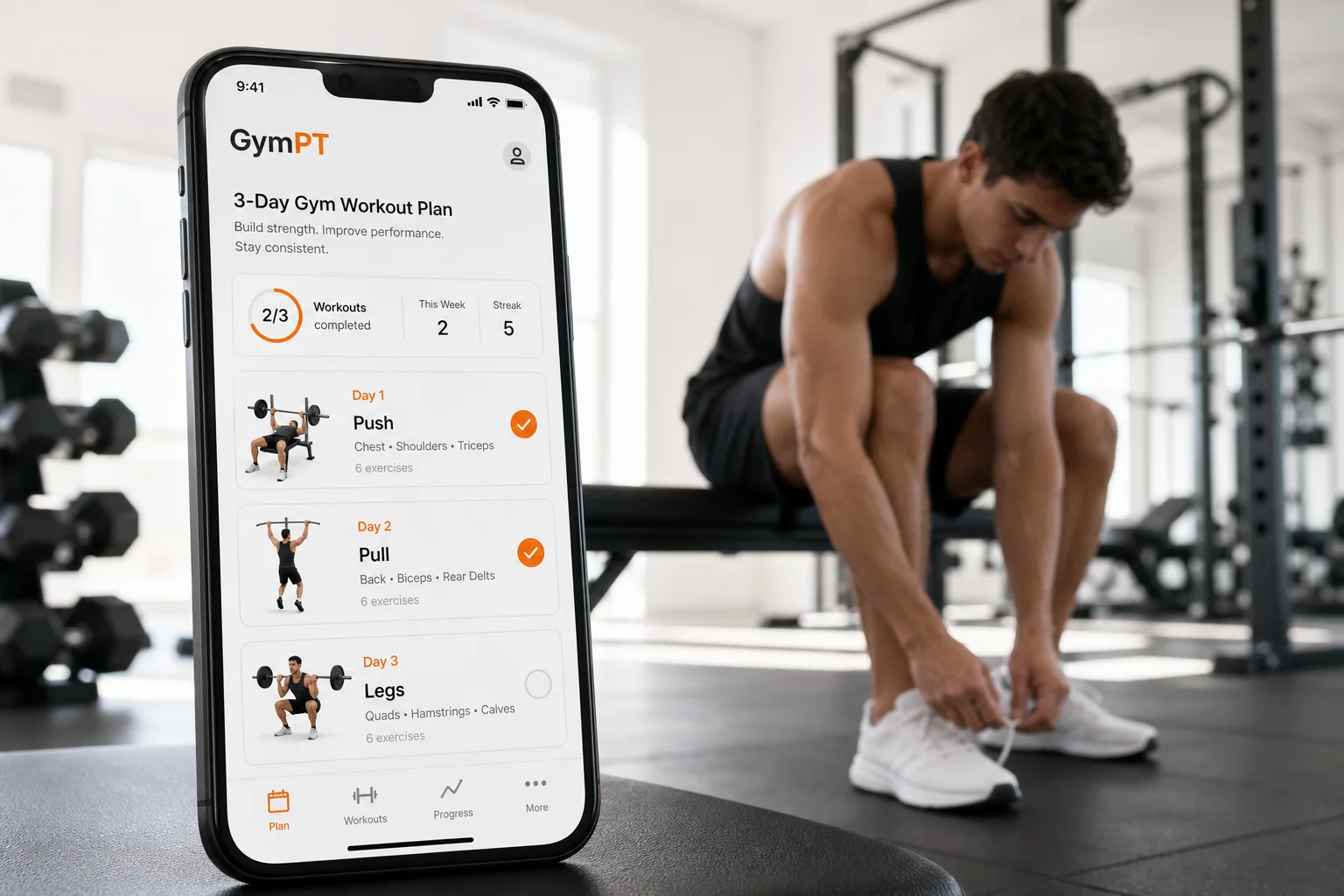
3 Day Gym Workout Plan: A Simple Weekly Structure That Actually Works
A 3 day gym workout plan is one of the easiest ways to train consistently without turning your week into a logistics problem. For many people, three focused sessions is enough to build strength, improve muscle tone, and stay recovered enough to keep progressing. Public health guidance also supports regular muscle-strengthening work on at least two days per week, which makes a three-day structure a practical fit for most goals. Weekly planning matters because the best program is the one you can repeat.
The real advantage of a three-day setup is balance. You get enough training frequency to practice key lifts, enough rest to recover, and enough flexibility to fit around work, family, travel, or busy weeks. If your plan is too complicated, it usually fails before the workouts do. A good 3 day gym workout plan solves that by making each session clear, efficient, and easy to adjust.
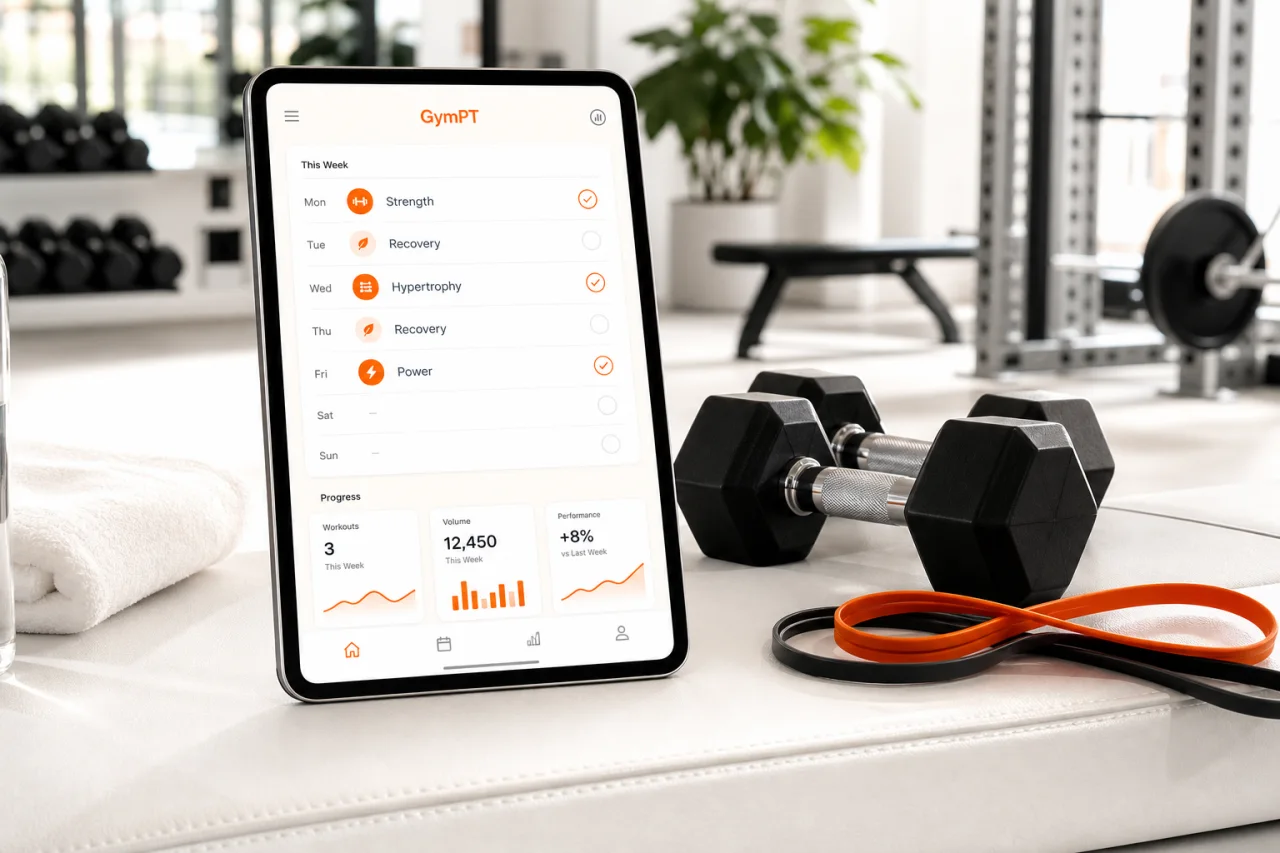
Why three gym days is a smart weekly target
Three training days gives you room to cover the whole body without cramming everything into one exhausting session. It also leaves space for walking, cardio, mobility work, or complete rest on the other days. That matters because recovery is not a bonus; it is part of the plan.
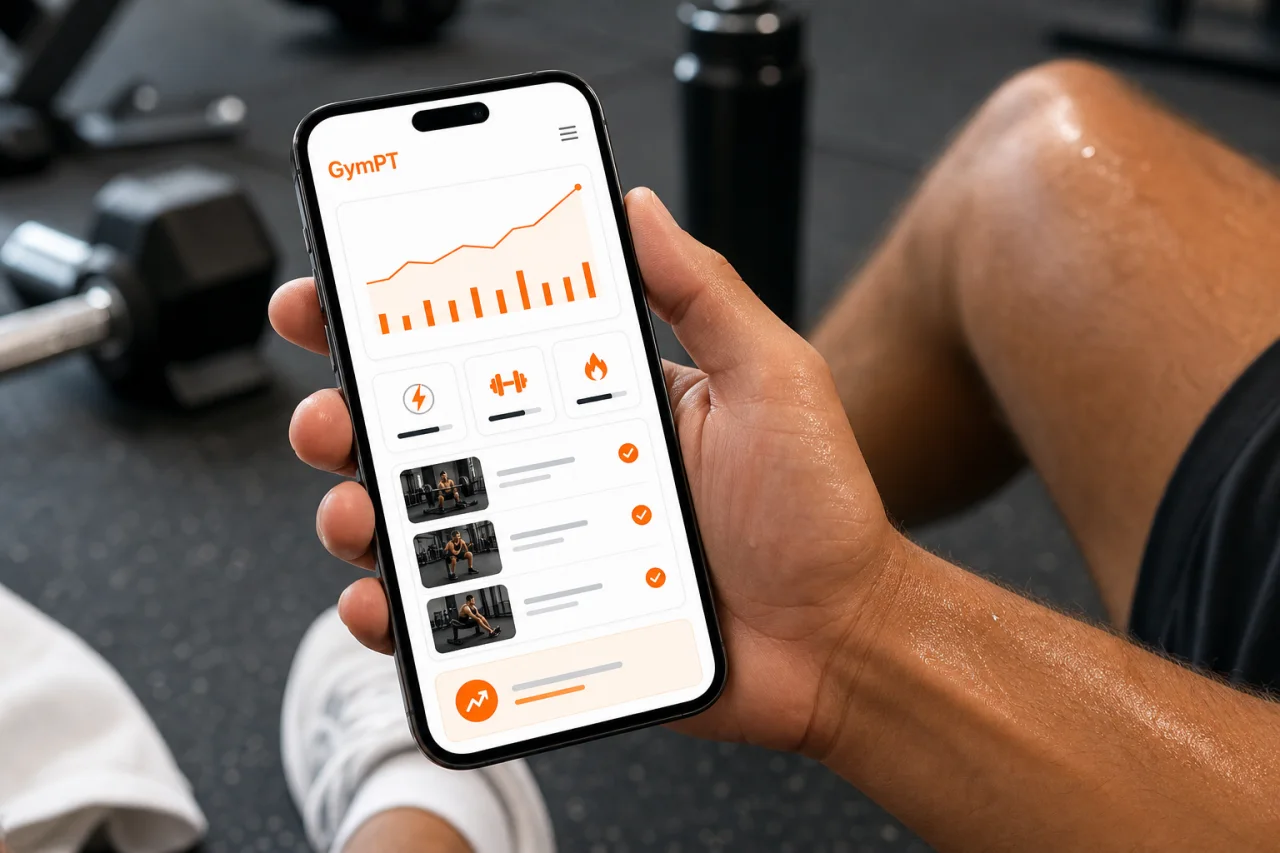
- Enough frequency: you can train each major movement pattern every week.
- Better recovery: rest days help you come back stronger for the next session.
- More consistency: three sessions are easier to maintain than five or six.
- Flexible for goals: the same structure can support fat loss, muscle gain, or general fitness.
For most lifters, the goal is not to do more exercises. It is to do the right work often enough to improve, then recover well enough to repeat it.
How to structure a 3 day gym workout plan
There are several ways to build a 3 day workout split, but the simplest and most adaptable option is a full-body plan. That means each workout includes a lower-body push or squat pattern, a hinge, a push, a pull, and a core or carry movement. This gives you repeated practice without overloading any single day.
Option 1: Full-body training three times per week
This is the most beginner-friendly and time-efficient approach. It works especially well if you want a strength training plan that is easy to recover from.
- Day 1: squat focus, horizontal push, horizontal pull
- Day 2: hinge focus, vertical push, vertical pull
- Day 3: single-leg work, upper-body push/pull, core
Because each muscle group gets trained more than once per week, you can make progress without needing marathon sessions.
Option 2: Upper/lower/full-body hybrid
If you prefer a little more structure, you can split the week like this:
- Day 1: upper body
- Day 2: lower body
- Day 3: full body
This is a good middle ground for people who want a clear focus on each session but still want the flexibility of a three-day schedule.
Option 3: Goal-based split
You can also organize the week around your main goal:
- Strength: heavier compounds, lower reps, longer rest
- Muscle gain: moderate loads, more total sets, controlled tempo
- Fat loss support: efficient lifting plus short conditioning finishers
The key is not the label. The key is whether the plan matches your recovery, equipment, and schedule.
A practical 3 day gym workout plan template
Here is a simple template you can use as a starting point. It is designed to be clear, repeatable, and easy to adapt.
Day 1: Squat and push emphasis
- Squat variation: 3 to 4 sets of 5 to 8 reps
- Bench press or dumbbell press: 3 to 4 sets of 6 to 10 reps
- Row variation: 3 to 4 sets of 8 to 12 reps
- Accessory lower-body movement: 2 to 3 sets of 8 to 12 reps
- Core exercise: 2 to 3 sets
Day 2: Hinge and pull emphasis
- Deadlift or Romanian deadlift: 3 to 4 sets of 4 to 8 reps
- Overhead press: 3 to 4 sets of 6 to 10 reps
- Lat pulldown or pull-up: 3 to 4 sets of 8 to 12 reps
- Single-leg or posterior-chain accessory: 2 to 3 sets of 8 to 12 reps
- Core or carry work: 2 to 3 sets
Day 3: Full-body volume and balance
- Leg press, front squat, or split squat: 3 to 4 sets of 8 to 12 reps
- Incline press or machine press: 3 to 4 sets of 8 to 12 reps
- Seated row or chest-supported row: 3 to 4 sets of 8 to 12 reps
- Hamstring or glute accessory: 2 to 3 sets of 10 to 15 reps
- Core finisher: 2 to 3 sets
This template is intentionally simple. You can swap exercises based on equipment, comfort, and experience level without changing the overall structure.
How much volume should you do?
For a three-day plan, the best volume is the amount you can recover from while still improving. If you are new, start with fewer sets and leave some reps in reserve. If you are more experienced, you may need more total work to keep progressing.
- Beginners: 2 to 3 working sets per exercise is often enough.
- Intermediate lifters: 3 to 4 sets on main lifts usually works well.
- Advanced lifters: volume may need to be more individualized based on recovery and performance.
A useful rule: if your performance is dropping session after session, your plan may be too aggressive. If you are recovering well and the weights are moving up, the dose is probably right.
How to place rest days in the week
One of the biggest advantages of a gym workout schedule with three sessions is that you can place rest days where your life needs them. There is no single perfect calendar. What matters is spacing the workouts so you are not constantly training tired.
- Monday, Wednesday, Friday: classic setup with recovery between sessions
- Tuesday, Thursday, Saturday: good if your weekends are busy
- Any three non-consecutive days: ideal for flexibility
If you also do cardio, keep it light to moderate on lifting days or place it on rest days. That helps you support conditioning without stealing too much energy from strength work.
How to adapt the plan to your goal
A good plan is not static. It should change based on your goal, your equipment, and how your body is responding.
If your goal is strength
- Use compound lifts first in the session.
- Keep reps lower on main lifts.
- Rest longer between sets.
- Track load progression carefully.
If your goal is muscle gain
- Use a mix of compound and accessory work.
- Train in moderate rep ranges.
- Include enough weekly sets for each muscle group.
- Progress by adding reps, load, or sets over time.
If your goal is fat loss support
- Keep lifting sessions efficient.
- Use short finishers only if recovery stays strong.
- Prioritize consistency over extreme volume.
- Pair the plan with daily movement and nutrition habits.
That is where a smart app can help. With workout plan generation and adaptive workout planning, you can keep the structure while changing the details as your goal changes.
Common mistakes in a 3 day gym workout plan
Three-day training works well, but only if the plan is built intelligently. These are the mistakes that usually slow people down.
- Trying to do everything in one workout: too many exercises makes sessions long and unfocused.
- Skipping progression: repeating the same weights forever leads to stagnation.
- Ignoring recovery: poor sleep and no rest days can make three sessions feel like six.
- Using random exercise selection: a plan should follow a pattern, not just a list of favorites.
- Not matching the equipment: your plan should fit the gym you actually use.
If your schedule changes often, the best solution is not to restart from scratch. It is to adjust the plan while keeping the training logic intact.
How GymPT helps you keep the plan realistic
GymPT is built for exactly this kind of training. Instead of giving you a rigid template, it helps you create a plan that fits your goal, available equipment, and weekly schedule. You can use AI coach chat to ask what to change when you miss a session, when recovery feels off, or when you want to shift from strength to muscle gain.
GymPT also supports workout tracking and progress insights, which makes it easier to see whether your 3 day gym workout plan is actually working. If your numbers are improving, you are probably on the right track. If not, the app can help you adjust volume, exercise selection, or progression before you stall.
That is the real value of a good training app: not just writing a plan, but helping you keep it useful week after week.
When a 3 day plan is enough, and when to change it
Three days is enough for many people, especially if you are busy, returning to training, or want a sustainable routine. It may also be the best choice if you recover slowly or prefer shorter sessions.
You may want to change the structure if:
- you consistently finish workouts with too much energy left and want more training volume,
- your goal becomes more specialized, such as advanced strength or bodybuilding,
- your schedule opens up and you want more frequency,
- your recovery drops and you need fewer or shorter sessions.
The right plan is the one that matches your current life, not your ideal week.
Final takeaway
A 3 day gym workout plan is simple, effective, and easy to sustain. It gives you enough training stimulus to make progress while leaving room for recovery and real life. If you keep the structure clear, track your lifts, and adjust based on feedback, three days a week can take you a long way.
If you want a plan that adapts as you do, GymPT can help you build it, track it, and refine it without starting over every week.