hip thrust mistakes
Hip Thrust Mistakes: 10 Form Errors That Quiet Your Glutes
Hip thrusts can build strong glutes, but small form errors can shift tension away from the target muscles. Learn the most common hip thrust mistakes, practical fixes, and better exercise swaps when needed.
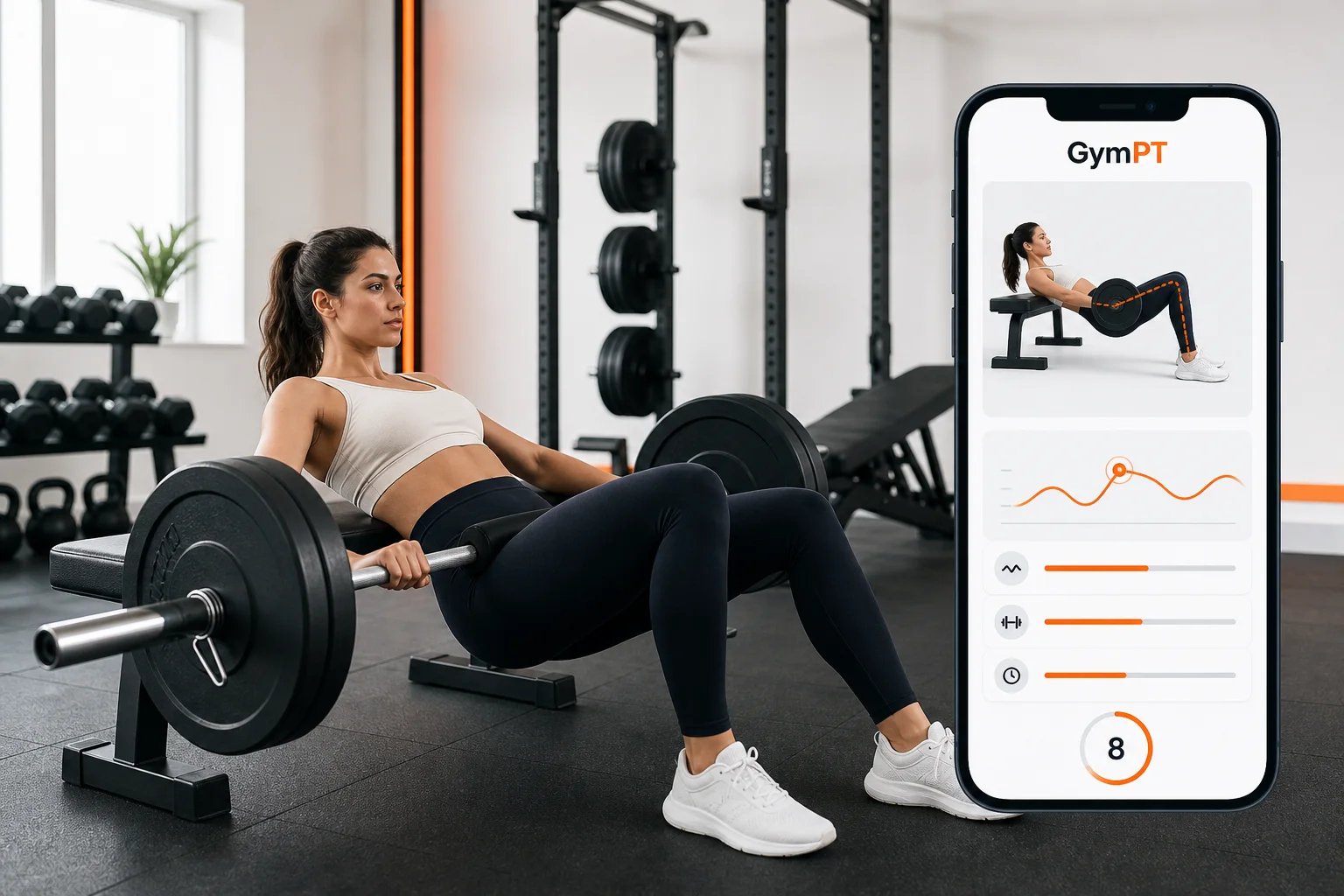
Hip thrust mistakes that make the exercise less effective
The hip thrust is one of the best lower-body exercises for glute-focused training, but only when the setup and lockout are clean. Most hip thrust mistakes are not dramatic. They are small position errors that reduce glute tension, make the lift feel awkward, or push the work into your lower back and quads.
This guide breaks down the most common errors, the form cues that fix them, and a few smart alternatives if the hip thrust is not the right fit for your body or equipment setup.
Why hip thrust form matters
The hip thrust is a horizontal hip extension movement, which means it trains the glutes strongly in the shortened position at the top of the rep. That makes it useful for glute development, especially when you can load it progressively and repeat it with control. Research and coaching guidance from strength organizations consistently place hip thrusts and similar bridge patterns among the key glute-building exercises.
But the exercise only works well if you can keep the pelvis, ribs, and feet organized. When those pieces drift, the lift often turns into a lower-back extension exercise instead of a glute exercise.
The 10 most common hip thrust mistakes
1. Setting the bench too high or too low
If the bench is too high, you may overextend your lower back at the top. If it is too low, you may lose range and struggle to get a strong lockout. A good setup usually places the upper back on the bench edge so your torso can pivot cleanly around the shoulders.
Fix: Start with the bench edge just below the shoulder blades and test a few bodyweight reps before loading.
2. Placing your feet too far away
Feet too far forward often make the rep feel like a hamstring stretch with weak lockout. You may also feel your hips stall before full extension.
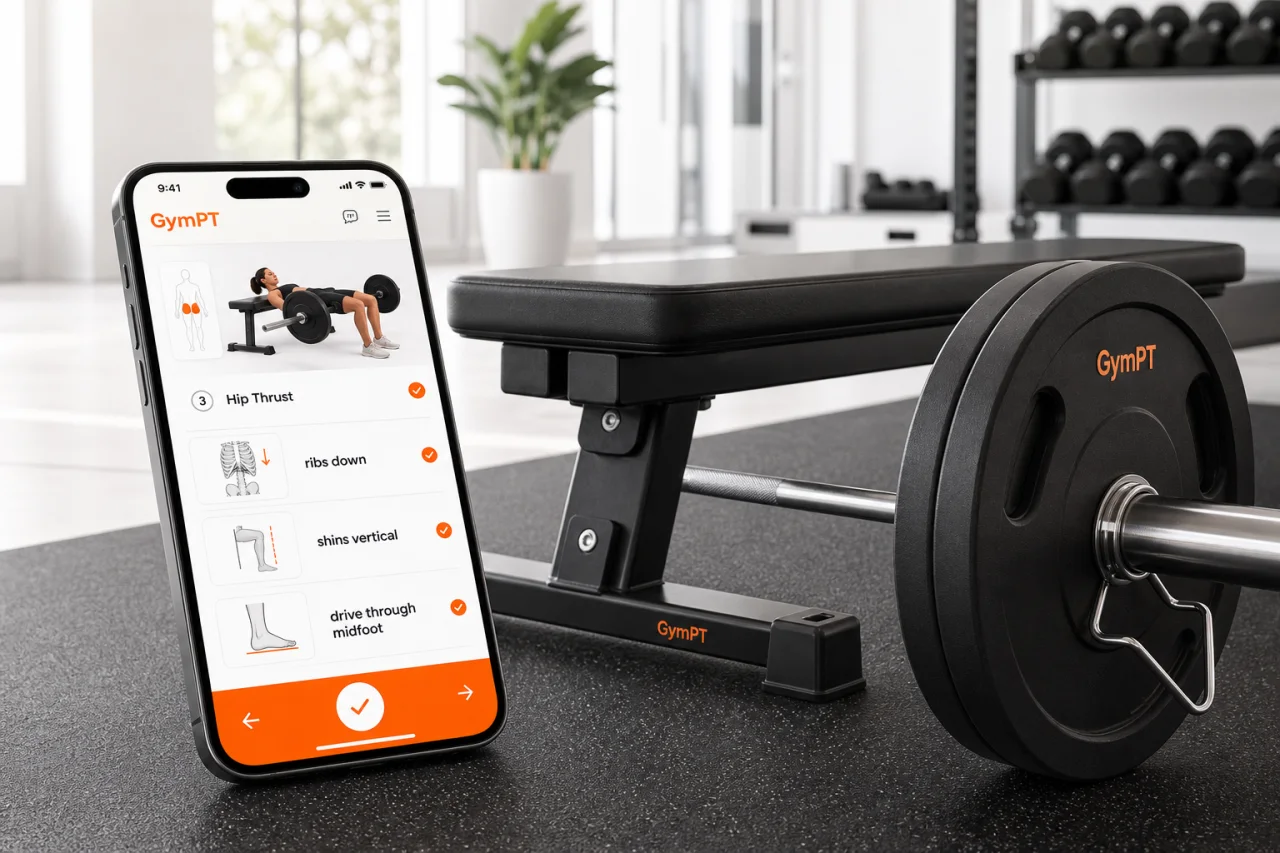
Fix: At the top, aim for shins that are close to vertical. That usually gives you a better glute line of pull.
3. Placing your feet too close
Feet too close can shift the exercise toward the quads and make the knees travel too far forward. It can also make the top position feel cramped.
Fix: Move the feet out slightly until you can drive through the midfoot and heel without losing balance.
4. Flaring the ribs and arching the lower back
This is one of the biggest hip thrust mistakes. If you finish the rep by arching your spine instead of extending the hips, the glutes stop doing most of the work.
Fix: Keep the ribs stacked over the pelvis. Think “zip up the front of the torso” before you drive up.
5. Over-tucking the pelvis
A small posterior pelvic tilt at the top can help you finish the rep, but overdoing it can make the movement feel forced and reduce power.
Fix: Finish tall through the hips without cranking the pelvis under aggressively. The goal is strong hip extension, not a hard spinal curl.
6. Pushing through the toes instead of the whole foot
If you rise onto your toes, the glutes usually lose leverage and the calves take over more than they should.
Fix: Keep pressure through the heel and midfoot. Your toes should stay down, but they should not be the main driver.
7. Letting the knees cave inward
Knees collapsing inward can make the rep feel unstable and reduce force transfer through the hips.
Fix: Cue “knees track over toes” and keep light outward pressure through the feet. A mini band can help some lifters feel the position, but it should not replace control.
8. Cutting the top position short
Half reps are common when the load is too heavy or the setup is off. If you never reach a strong lockout, you miss the part of the lift that usually gives the glutes the most tension.
Fix: Use a load you can control for a full rep. Pause for one second at the top if you need cleaner reps.
9. Bouncing off the bottom
Dropping fast and bouncing can make the lift feel easier, but it usually removes tension and makes the rep less repeatable.
Fix: Lower under control, reset your brace, and drive up with intent.
10. Loading the bar before you own the bodyweight version
Many lifters rush into heavy barbell hip thrusts before they can control the bodyweight or dumbbell version. That often exposes setup problems and makes progress harder to track.
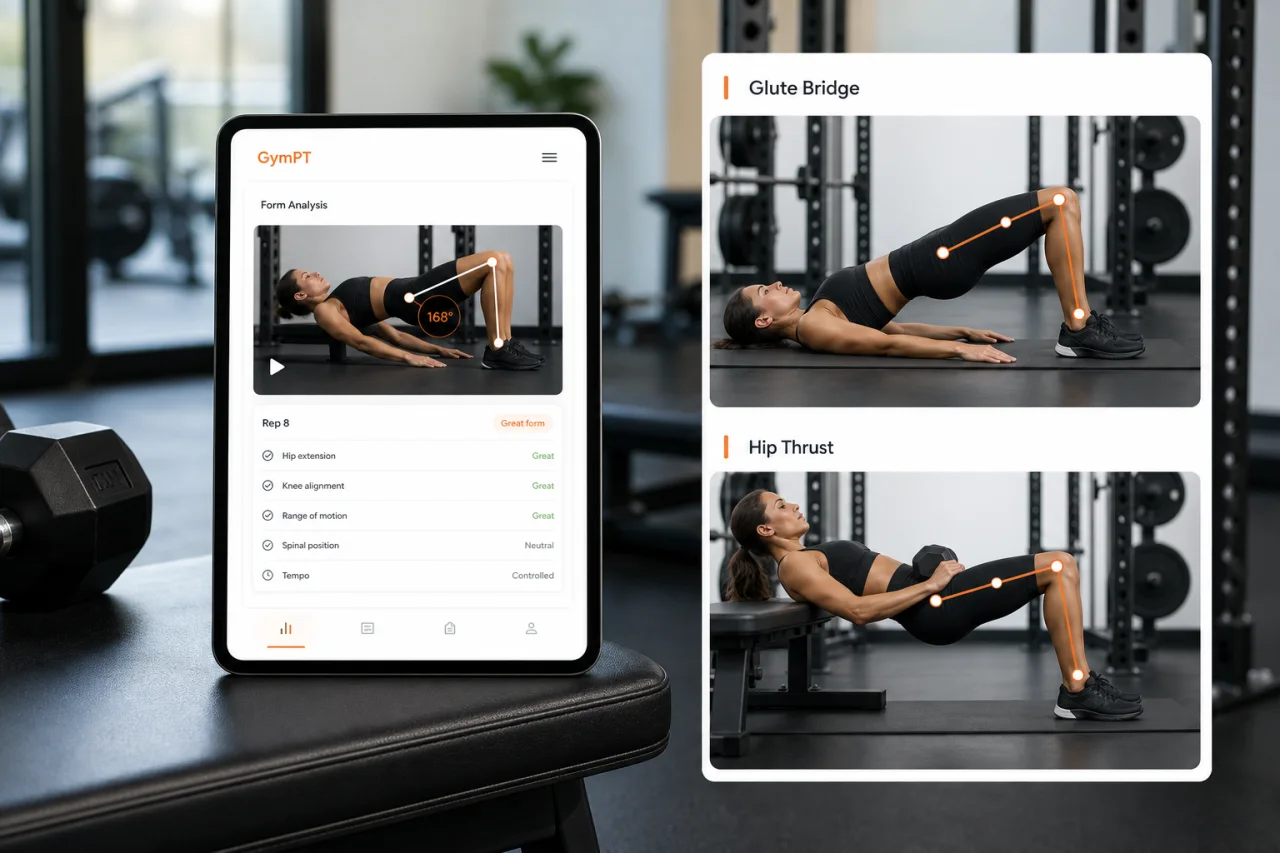
Fix: Earn the load. If your bodyweight reps are shaky, spend a few sessions on glute bridges or dumbbell hip thrusts first.
Simple form cues that usually fix the lift fast
- “Ribs down, hips up.” Helps you avoid lower-back overextension.
- “Shins vertical at the top.” A useful foot-placement check.
- “Drive through midfoot and heel.” Keeps pressure where it belongs.
- “Pause and squeeze.” Improves control at lockout.
- “Finish with the glutes, not the spine.” Keeps the movement honest.
When to use a hip thrust alternative
Sometimes the best fix is not another cue. It is a different exercise. If the bench setup bothers your shoulders, the bar position feels awkward, or you cannot keep your pelvis stable, use a simpler variation and build from there.
Good alternatives to hip thrusts
- Glute bridge: Shorter range, easier to control, and great for learning the top position.
- Dumbbell hip thrust: A practical step before barbell loading.
- Frog pump: Useful for high-rep glute work with less setup complexity.
- Back extension with glute focus: Helpful if you want a different hip-extension pattern.
- Split squat or step-up: Better if you want more stretch-based glute work and single-leg control.
Strength organizations commonly group thrust/bridge, squat/lunge, hinge, and abduction patterns as complementary ways to train the glutes. That means a hip thrust does not need to do everything. It just needs to do its job well.
A quick hip thrust checklist before every set
- Upper back is set on the bench edge.
- Feet are placed so shins are close to vertical at the top.
- Ribs stay stacked, not flared.
- Pressure stays through heel and midfoot.
- Knees track in line with toes.
- Top position is controlled, not rushed.
- Each rep looks the same before you add more load.
How GymPT can help you clean up hip thrust form
If you are not sure which hip thrust form issue is holding you back, GymPT can help you spot patterns fast. Use the AI coach chat to review your setup cues, log your sets to see whether your reps are getting cleaner, and build a glute plan that matches your equipment and training level.
That matters because better glute training is not just about doing more reps. It is about repeating good reps, tracking progress, and choosing the right variation for your current skill level.
Bottom line
Most hip thrust mistakes come down to setup, foot position, and how you finish the rep. Fix those three things first, and the exercise usually becomes more stable, more glute-focused, and easier to progress. If the standard version still feels off, switch to a glute bridge or dumbbell variation and build back up with control.