leg press vs squat
Leg Press vs Squat: Which Builds Better Legs for Your Goal?
Leg press vs squat is not a simple winner-takes-all debate. Learn how each lift loads your legs, which one fits your goal, and how to choose the right variation.
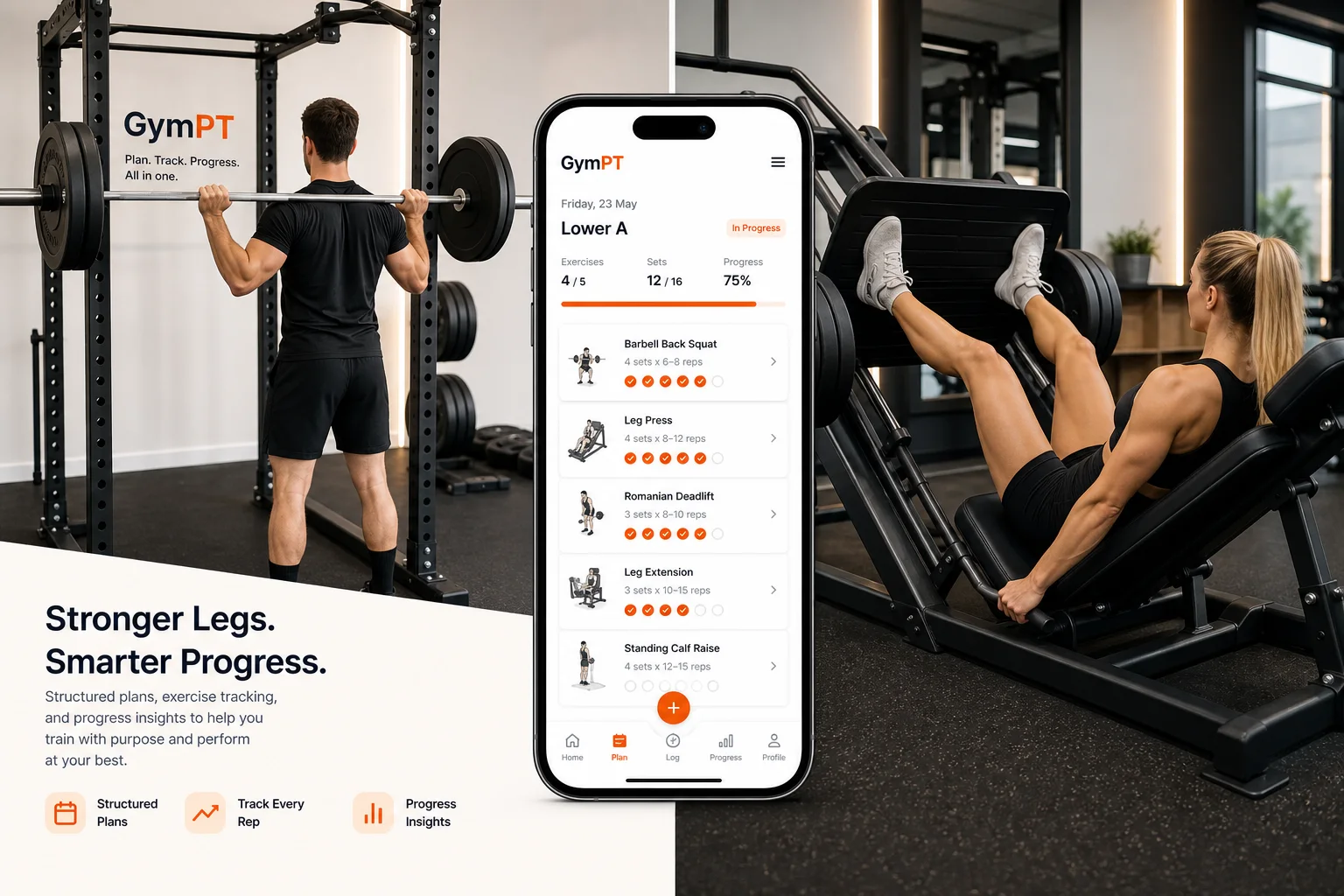
Leg press vs squat: the real question is what you need from the exercise
If you are comparing leg press vs squat, the best choice is not about which lift is “better” in general. It is about which one matches your goal, your technique, and the equipment you have. Both exercises train the lower body well, but they do it in different ways. Research shows the squat usually creates higher overall muscle activity and joint loading, while the leg press can reduce the balance and trunk demands that make squatting harder for some lifters. That means each lift has a useful place in a smart training plan.
GymPT users often ask this question when they want stronger quads, better glutes, or a safer way to train legs consistently. The short answer: use the squat when you want a more complete, skill-based strength movement, and use the leg press when you want to emphasize the legs with less technical demand. In many programs, the best answer is not either/or. It is both, used for different reasons.
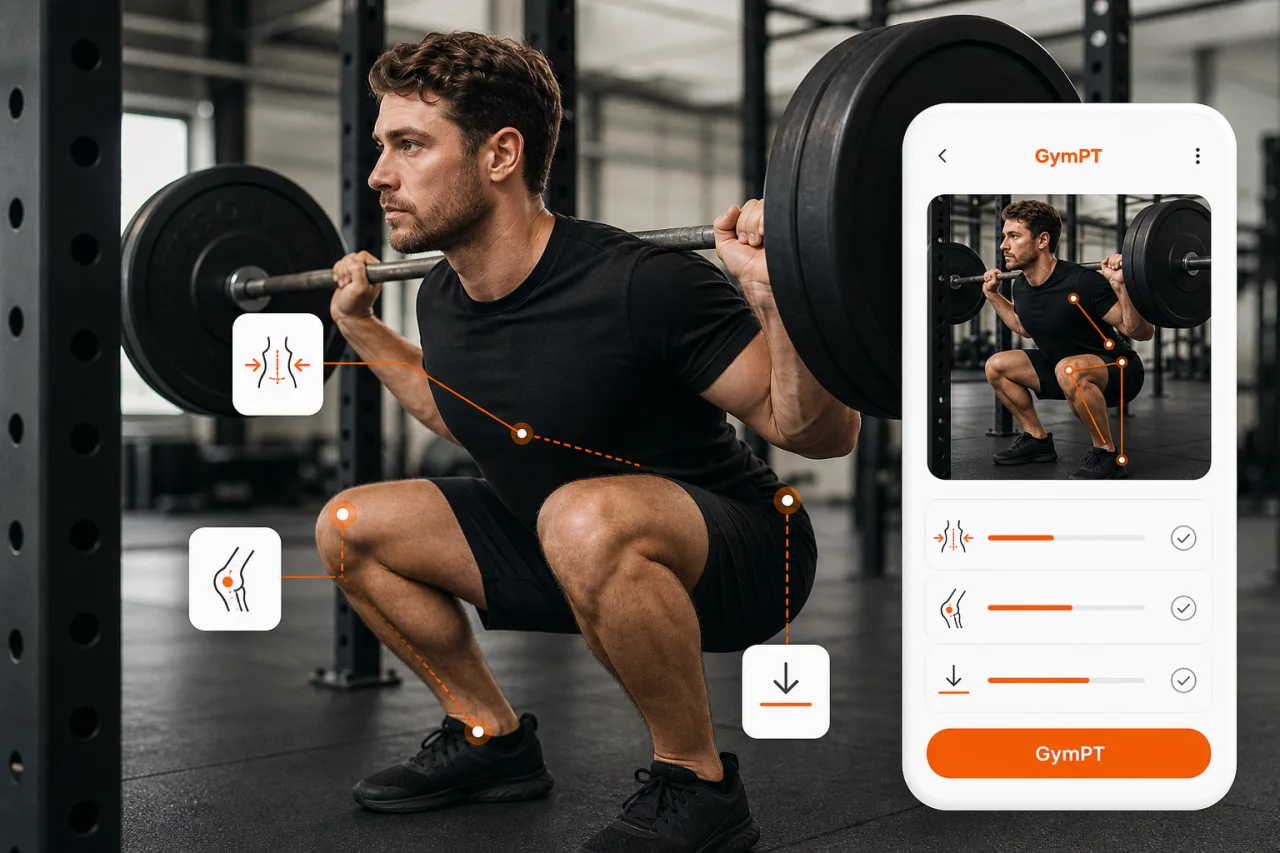
What the squat does well
The squat is a full lower-body pattern that asks your ankles, knees, hips, trunk, and upper back to work together. Because of that, it often carries over well to sports, general strength, and everyday movement. Biomechanical reviews and comparative studies show that squats tend to produce greater quadriceps and hamstring activity than leg press variations, especially when depth and load increase. That makes the squat a strong choice when your goal is overall strength development and movement skill.
Best reasons to choose the squat
- You want to build a stronger compound lift.
- You want more trunk and bracing demand.
- You want a movement that trains coordination and balance.
- You want a lift that is easy to progress with barbells, dumbbells, or machines.
Common squat mistakes
- Letting the chest collapse and losing brace tension.
- Cutting depth too early because of poor control or mobility.
- Letting the knees cave in instead of tracking over the toes.
- Turning the squat into a good-morning by hinging too much at the hips.
Simple squat cue: brace, sit between your heels, keep the midfoot planted, and drive up without losing torso position.
What the leg press does well
The leg press is a machine-based lower-body exercise that lets you load the legs without needing to stabilize the bar or control your balance in the same way as a squat. That makes it especially useful for hypertrophy-focused training, beginners who need a simpler pattern, or lifters who want to add leg volume without as much spinal or technical fatigue. Studies comparing squat and leg press variations show that the squat usually creates higher overall muscle and joint demands, but the leg press still provides strong quadriceps stimulus and can be easier to repeat with good form.
Best reasons to choose the leg press
- You want to train legs with less balance demand.
- You want extra quad volume after your main lift.
- You are learning lower-body training and need a simpler setup.
- You want a machine option that fits your gym or home setup.
Common leg press mistakes
- Lowering the sled too far and letting the pelvis tuck under.
- Locking the knees hard at the top of each rep.
- Letting the heels lift and losing foot pressure.
- Using a short range of motion just to move more weight.
Simple leg press cue: keep your whole foot down, lower with control, stop before your lower back rounds, and press through the midfoot.
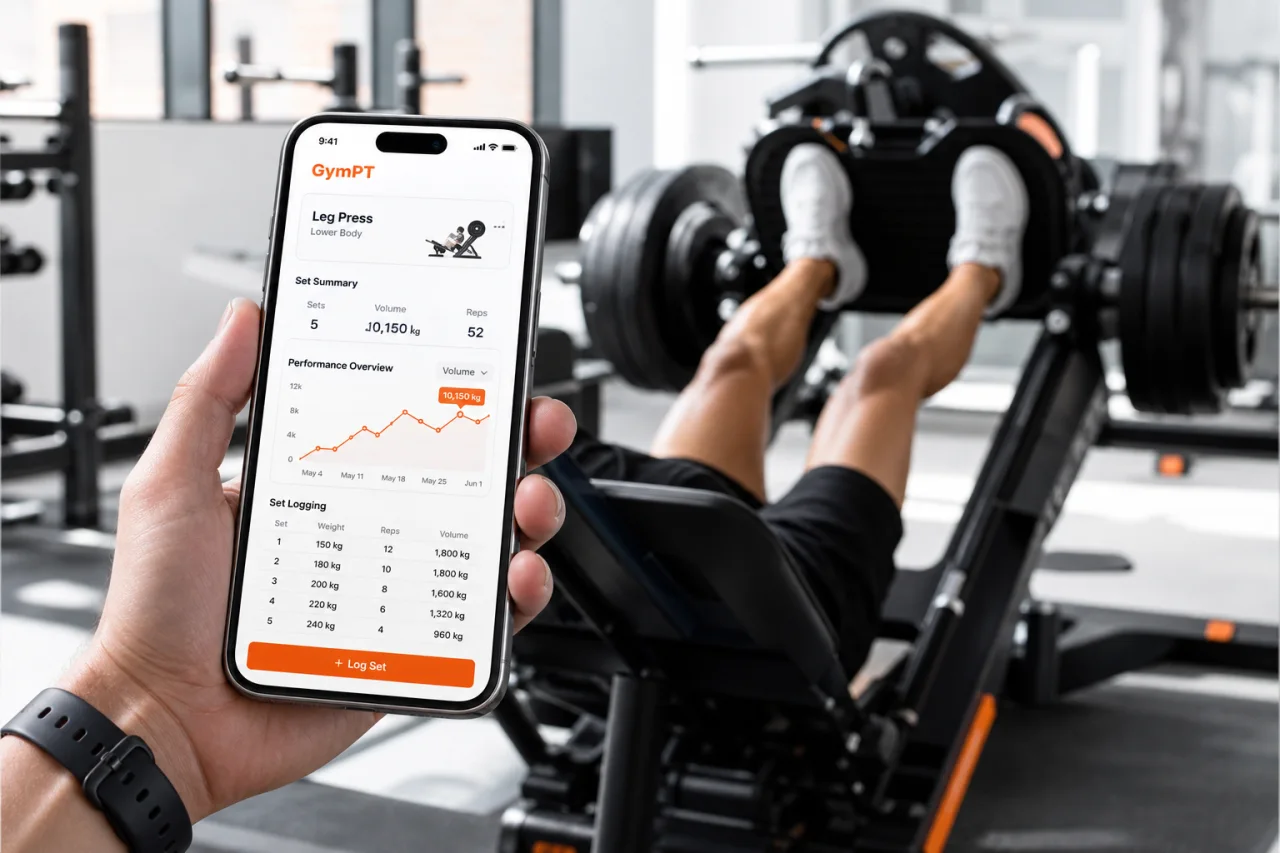
Leg press vs squat: how they differ in practice
Here is the practical difference. The squat asks more from your whole body. The leg press asks more from your legs and less from your balance and trunk. That is why many lifters can leg press more weight than they can squat, but that number alone does not mean the leg press is “better.” It just means the exercise is less limited by stabilization and technique.
- For strength: the squat usually wins because it trains more total-body force production.
- For muscle growth: both can work well, but the leg press often makes it easier to add volume safely.
- For beginners: the leg press may be easier to learn first, while goblet squats can bridge the gap to free squatting.
- For advanced lifters: the squat is often the main lift, with leg press used to add targeted quad work.
- For joint or technique limitations: the leg press can be a useful alternative when the squat is not the best fit.
Which one is better for quads, glutes, and overall leg development?
If your main goal is quad size, both exercises can help, but the leg press often makes it easier to keep tension on the quads with less fatigue from balance and bracing. If your goal is glute development and total lower-body strength, the squat usually has the edge because it requires more hip extension, trunk control, and coordinated force production. In practice, the best leg plan often uses the squat as the main pattern and the leg press as a volume builder.
A simple rule of thumb
- Choose squat first if you want skill, strength, and carryover.
- Choose leg press first if you want simpler setup and more isolated leg volume.
- Use both if you want the best of both worlds in one program.
Practical alternatives if neither feels right
You do not need to force a back squat if it does not fit your body, equipment, or current skill level. You also do not need to rely on the leg press forever if you want to build a stronger squat pattern. Good alternatives can keep your training productive while you improve technique or work around limitations.
- Goblet squat: great for learning depth, bracing, and knee tracking.
- Front squat: more upright torso, strong quad emphasis, high skill demand.
- Belt squat: lower spinal loading with a squat pattern.
- Split squat: excellent unilateral option for quads and glutes.
- Hack squat or Smith machine squat: machine-supported options for leg volume.
If you want a simple progression, start with a goblet squat, move to a front squat or barbell squat when your control improves, and keep the leg press in your plan for extra volume.
How to choose the right exercise for your plan
Use this quick decision guide:
- Pick the squat if your goal is overall strength, athletic carryover, and movement skill.
- Pick the leg press if your goal is quad-focused volume with less technical demand.
- Use both if you want a main lift plus a machine accessory.
- Swap to an alternative if pain, mobility, or setup makes either lift a poor fit.
For most lifters, the smartest lower-body plan is not to argue over leg press vs squat. It is to assign each exercise a job. The squat builds the pattern. The leg press builds extra leg work without draining your whole system.
How GymPT can help you decide
GymPT can build a lower-body plan around your equipment, training level, and goal. If you are unsure whether to squat, leg press, or use a variation like goblet squats or split squats, GymPT can help you choose the right exercise order, set count, and progression. You can also track your reps, compare progress over time, and adjust your plan when your form or recovery changes.
Bottom line: if you want the most complete lower-body builder, choose the squat. If you want a simpler way to add leg volume, choose the leg press. If you want the best long-term result, use both strategically.