30 minute muscle building workout plan
30 Minute Muscle Building Workout Plan: Train Hard, Progress Consistently
A 30-minute workout can support muscle growth when it combines efficient exercise selection, challenging sets, progressive overload, and enough recovery. Use this three-day plan to make every minute count.
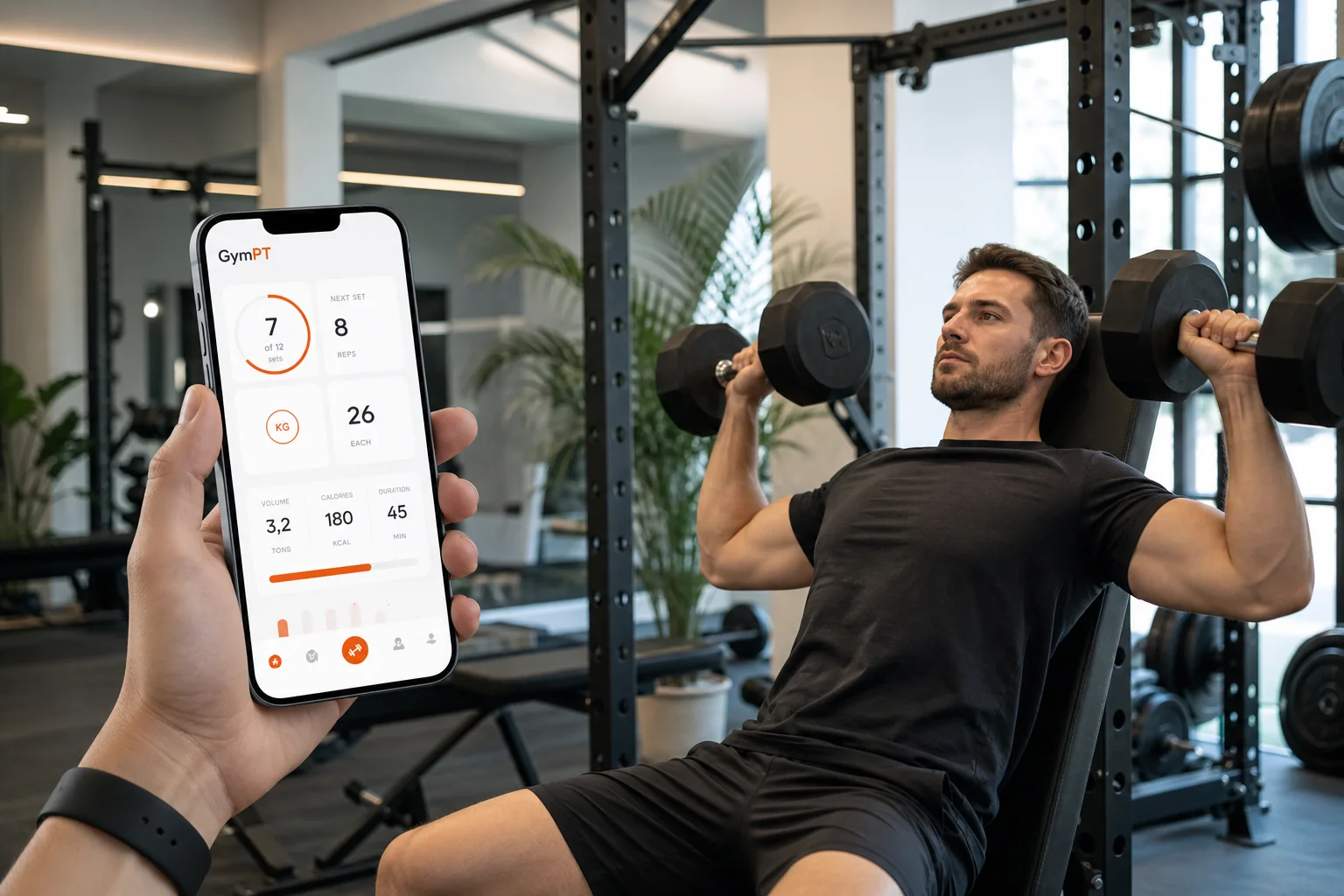
A 30 minute muscle building workout plan can be effective when it is structured around the basics that drive hypertrophy: challenging resistance training, enough weekly work, progressive overload, and recovery. You do not need to spend two hours in the gym or use a complicated exercise list.
The key is to remove wasted time while keeping the work high quality. This plan uses three full-body sessions per week, paired exercises, controlled rest periods, and a simple progression system. It is designed for healthy adults who want a practical starting point for building muscle with gym equipment.
What makes a 30 minute workout effective for muscle growth?
Muscle growth is influenced by several training variables, but your weekly consistency matters more than finding a perfect routine. A time-efficient session should include:
- Exercises that train large muscle groups: presses, rows, squats, hinges, and pulls give you more productive work per set.
- Enough effort: most working sets should finish with roughly one to three good repetitions left in reserve.
- Progressive overload: gradually add repetitions, resistance, or productive sets over time.
- Manageable fatigue: the session should challenge you without making recovery impossible.
Research on resistance training volume generally supports a dose-response relationship: more productive weekly work can lead to more hypertrophy, provided that you can recover from it. That does not mean doing as much as possible. It means starting with a sustainable amount and increasing it only when your performance and recovery support the change.
Training frequency is flexible when weekly volume is similar. For a busy schedule, full-body training three times per week is useful because it distributes your work across multiple sessions instead of trying to complete every set for one muscle in a single workout.
The 30 minute muscle building workout plan
Train on non-consecutive days, such as Monday, Wednesday, and Friday. Complete a brief warm-up before each session, then perform the listed exercises. The paired exercises are not meant to be rushed. Move between them efficiently while maintaining safe technique.
Workout A: squat, press, and row
- Goblet squat or back squat: 3 sets of 6–10 repetitions
- Flat dumbbell press: 3 sets of 8–12 repetitions
- Chest-supported row: 3 sets of 8–12 repetitions
- Standing calf raise: 2 sets of 10–15 repetitions
Time structure: Spend about 4 minutes warming up. Pair the dumbbell press with the chest-supported row, resting 45–75 seconds after each exercise pair. Rest up to 90 seconds between squat sets if needed.
Workout B: hinge, overhead press, and pull
- Romanian deadlift: 3 sets of 6–10 repetitions
- Seated dumbbell shoulder press: 3 sets of 8–12 repetitions
- Lat pulldown or assisted pull-up: 3 sets of 8–12 repetitions
- Cable curl and rope pressdown: 2 sets of 10–15 repetitions each
Time structure: Warm up for 4 minutes. Perform the shoulder press and pulldown as an alternating pair. Complete the curl and pressdown together at the end if time allows.
Workout C: leg press, incline press, and upper-back work
- Leg press or front squat: 3 sets of 8–12 repetitions
- Incline dumbbell press: 3 sets of 8–12 repetitions
- Seated cable row: 3 sets of 8–12 repetitions
- Leg curl: 2 sets of 10–15 repetitions
Time structure: Warm up for 4 minutes. Alternate the incline press and cable row, then complete the leg curl with controlled repetitions. If the workout runs long, keep the first three exercises and add the leg curl in the following week.
This routine gives each major muscle group repeated exposure across the week without requiring a long session. You can also swap exercises based on your equipment. For example, a machine chest press can replace dumbbell pressing, and a cable row can replace a supported row.
For more ideas on matching exercises to the equipment available in your gym, see the machine-based workout plan.
How to warm up without wasting time
A warm-up should prepare you for the movements ahead, not become a second workout. Start with two to three minutes of easy general movement, then perform a few dynamic repetitions for the joints and muscles you will use.
Before your first demanding exercise, complete two or three lighter practice sets. For example, before squats, use an empty bar or light weight, then gradually increase the load. For the remaining exercises, one lighter preparation set is often enough.
- Use a load that lets you practice the movement comfortably.
- Do not turn warm-up sets into fatiguing working sets.
- Reduce or stop the session if you feel sharp pain, dizziness, or unusual symptoms.
How hard should your sets feel?
You do not need to take every set to absolute failure. A useful approach is to finish most compound sets with one to three repetitions in reserve. This means you could probably complete one to three more technically sound repetitions if necessary.
For isolation exercises such as curls, pressdowns, calf raises, and leg curls, you may occasionally work closer to failure because the exercises are generally easier to control. On squats, presses, and deadlift variations, leaving a small margin can help preserve technique and recovery.
Current evidence does not show that momentary muscular failure is required for hypertrophy. Training close enough to failure while maintaining good form can be a more practical strategy, especially when you want to train consistently several times per week.
Progressive overload: how to improve the plan
The workout only becomes a muscle-building program when your performance gradually improves. Use a double-progression method:
- Choose a weight that allows you to reach the lower end of the repetition range with good technique.
- Keep the same weight until you can reach the top of the range on every working set.
- Increase the load by the smallest practical amount.
- Return to the lower end of the range and build up again.
For example, if your dumbbell press is programmed for 3 sets of 8–12, you might complete 10, 9, and 8 repetitions in week one. Over several sessions, aim for 12, 12, and 12. Then increase the dumbbells slightly and begin again around 8–10 repetitions.
Progress does not always mean adding weight. You can also improve by completing more repetitions with the same load, using a fuller range of motion, improving control, or performing the same work with less unnecessary rest. Keep a training log so you can distinguish real progress from memory-based guesses.
GymPT can help turn this structure into a more individualized routine by adapting exercises to your goal, equipment, and recorded performance. A strength training program also benefits from tracking load, repetitions, and technique over time.
How to manage rest periods in a short workout
Short rest periods can help you fit more work into 30 minutes, but resting too little may reduce the repetitions or load you can use. For most exercises in this plan, begin with:
- Compound lifts: 75–120 seconds, depending on difficulty and technique.
- Machine and dumbbell exercises: 45–90 seconds.
- Smaller isolation exercises: 30–60 seconds.
Use paired exercises to save time, but pair movements that do not heavily interfere with one another. A press and row work well together because one muscle group can recover while the other works. Avoid rushing from a demanding squat directly into another exercise that requires the same bracing and leg strength.
If your repetitions fall sharply from set to set, add a little rest. The goal is not to finish as quickly as possible. The goal is to complete high-quality work within the available time.
Recovery habits that support muscle gain
A 30-minute workout provides the training stimulus, but recovery supports the adaptation. Aim to make these habits consistent:
- Sleep regularly: establish a schedule that gives you enough opportunity for quality sleep.
- Eat enough overall: consistently under-eating can make it harder to gain body mass and sustain training performance.
- Include protein-rich foods: spread practical protein choices across meals that fit your preferences and dietary needs.
- Keep active on rest days: easy walking and normal daily movement can support general fitness without adding excessive fatigue.
- Adjust when necessary: if performance, motivation, and recovery decline for several sessions, reduce a set or use a lighter week.
Recovery is individual. If you are new to resistance training, the listed volume may be enough. If you are experienced and finish every session with energy to spare, add one set to a priority muscle group rather than adding exercises everywhere at once.
Common mistakes with a 30-minute hypertrophy workout
Trying to train every muscle with too many exercises
A long exercise list creates rushed sets and poor tracking. Choose a few movements that cover the major patterns, then repeat them long enough to improve.
Changing the plan every week
Novelty can feel productive, but frequent exercise changes make progression harder to measure. Keep the main movements for at least several weeks unless equipment, comfort, or technique requires a substitution.
Using failure as the only measure of effort
A set can be productive without becoming a technical breakdown. Stop when another repetition would compromise your range of motion or control.
Ignoring the weekly schedule
One excellent workout cannot replace repeated training. Choose days you can realistically protect, and use a simpler session when your schedule is tight rather than skipping the week entirely.
How to use this plan for the next four weeks
Run Workout A, Workout B, and Workout C for four weeks. Record the load, repetitions, and any notes about technique or recovery. During the first week, prioritize learning the movements and selecting appropriate weights. During weeks two and three, gradually add repetitions. In week four, increase load only where you reached the top of the prescribed range with consistent form.
After four weeks, review which exercises progressed, which muscles recovered well, and where the 30-minute limit caused compromises. GymPT’s workout tracking and progress insights can make that review easier, especially when you want to adapt the plan around your available equipment or changing schedule.
If you are newer to structured training, start with a simple workout generator for beginners approach and build confidence before adding more volume. If muscle gain is your primary goal, the hypertrophy workout plan guide can help you progress to longer or more frequent sessions when your schedule allows.
The best 30-minute muscle building workout plan is the one you can repeat, progress, and recover from. Keep the exercises focused, train close to failure without sacrificing technique, and let your log—not guesswork—guide the next small improvement.